

What Marketers Can Learn from the French Revolution’s Censorship Campaigns
Lessons in Message Control, Trust, and Audience Strategy from a Turbulent Era
I was recently listening to the episodes of The Rest is History on the French Revolution and it got me thinking about the implications on communication around that time. It’s a period in time that has always interested me – so I thought I would put pen to paper and cover my perspective on that point in history to celebrate Bastille Day!
During the French Revolution, France experienced an information crisis. Freedom of speech was briefly celebrated, only to be violently repressed as the Revolution turned in on itself. For marketers and communication professionals today, this chaotic period offers more than a history lesson. It’s a fascinating case study on information control, audience segmentation, messaging, and propaganda – all still relevant in the digital age.
The Marketing Made Clear Podcast
Check out the Marketing Made Clear Podcast on all good streaming platforms including Spotify:
The Rise and Fall of Free Expression
In 1789, the newly formed revolutionary government declared freedom of speech and abolished royal censorship. What followed was a media explosion: over 400 new newspapers sprang up, sparking fierce political debate.
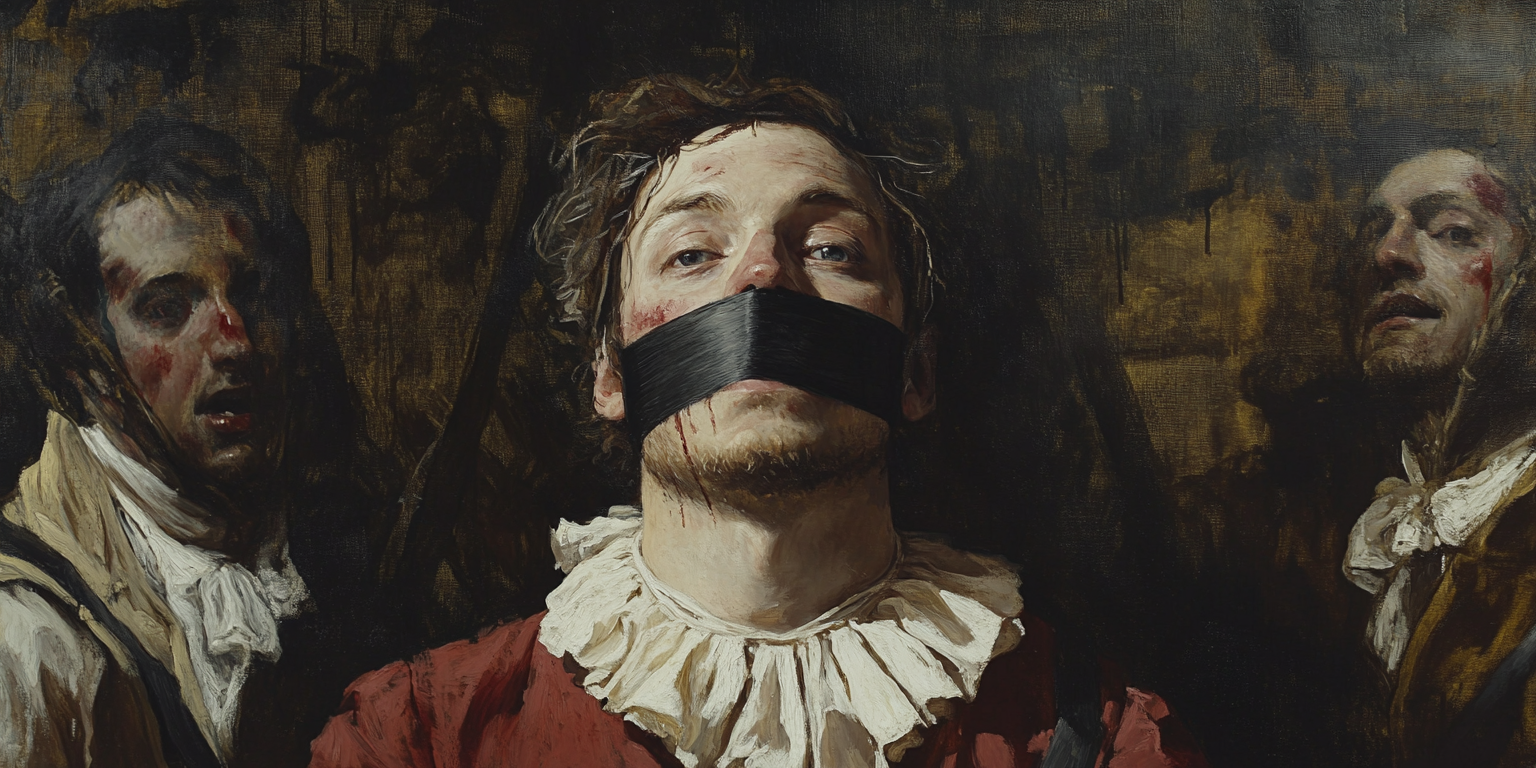
But as the Revolution radicalised, the government flipped its stance. Censorship returned with a vengeance, particularly during the Reign of Terror (1793–1794):
-
Law of Suspects (1793) criminalised dissent. You could be arrested simply for saying the wrong thing.
-
Newspapers were shut down en masse for criticising the regime.
-
Editors like Camille Desmoulins were guillotined for urging moderation.
-
Propaganda and revolutionary symbols (like the tricolour flag and Phrygian cap) were used to brand the revolution and unify public opinion.
The message was clear: communicate the official line, or pay the price.
The Effects of Revolutionary Censorship
Initially, press freedom energised politics, spread Enlightenment ideals and gave a platform to new voices. However, it also unleashed misinformation, slander, and factionalism. Political journalism became a contact sport.
Once the government reimposed control:
-
Public discourse narrowed dramatically.
-
Fear led to self-censorship and disengagement.
-
Opposition didn’t vanish – it simply went underground.
-
Extremism flourished, unchecked by moderating voices.
The result? A fractured, fearful populace and a revolution that devoured its own leaders.
Communication Lessons from the French Revolution
1. Freedom Without Responsibility is Dangerous
Sudden liberalisation led to a flood of false information and personal attacks. Much like today’s social media landscape, the lack of oversight encouraged radicalism and tribalism. A free press needs an informed and ethically responsible audience – and the means to call out misinformation without resorting to suppression.
2. Censorship Can Backfire
Message control may offer short-term unity, but it breeds long-term resentment. The Jacobins learned that you can only silence dissent for so long before it turns explosive. Transparency and managed dialogue often do more for brand trust and public stability than brute force.
3. Propaganda is Powerful – But Risky
Symbols like Marianne and slogans like Liberté, Égalité, Fraternité effectively branded the Revolution. These tools emotionally connected people to the cause. But overuse or perceived manipulation (e.g. the Cult of the Supreme Being) led to public scepticism. Authenticity matters.
4. Know Your Audience
Revolutionary messaging worked well in urban Paris but alienated rural and religious communities. The result? Counter-revolutionary uprisings. Today’s marketers would recognise this as a segmentation failure. One message rarely fits all.
5. Encourage Feedback
Robespierre silenced critics, and without dissent, policy spun out of control. Echo chambers—whether in politics or marketing teams – can be fatal. Healthy organisations listen to differing views.
Modern Parallels for Marketers
-
Narrative Control: Brands, like revolutionary governments, try to control the narrative. But transparency is more powerful than manipulation.
-
Audience Segmentation: Tailor your message. The French Revolution failed to resonate beyond Paris. Don’t repeat that mistake with your brand.
-
Trust and Authenticity: If your values don’t match your actions, your brand will crumble – just like the Revolution’s moral high ground did during the Terror.
-
Feedback Loops: Silencing your critics might seem convenient, but it limits learning and adaptability. Modern marketing thrives on listening, not just talking.
TL;DR
The French Revolution’s censorship efforts teach marketers that information is power—but it’s also volatile. Censorship can unify or destroy. Authentic messaging, thoughtful segmentation, and open dialogue aren’t just good marketing—they’re essential for long-term trust and influence.
Further Reading:
-
Walton, Charles. Policing Public Opinion in the French Revolution: The Culture of Calumny and the Problem of Free Speech.
-
Britannica: Reign of Terror
-
History of French Journalism (Wikipedia)
-
The Declaration of the Rights of Man and of the Citizen (1789)