

What is White Labelling?
A marketer’s guide to selling someone else’s product… with your logo on it
Ever wondered how a business can launch a new product range without owning a factory or building the technology itself? One option is white labelling: buying an existing product or service from a supplier and selling it under your own brand. It is related to, but not always the same as, supermarket own-label and private-label manufacturing.
But what exactly is white labelling? And why does it matter in marketing?
Let’s unpack it (don’t worry, no buzzword bingo here).
The Marketing Made Clear Podcast
Check out the Marketing Made Clear Podcast on all good streaming platforms including Spotify:
The definition (minus the waffle)
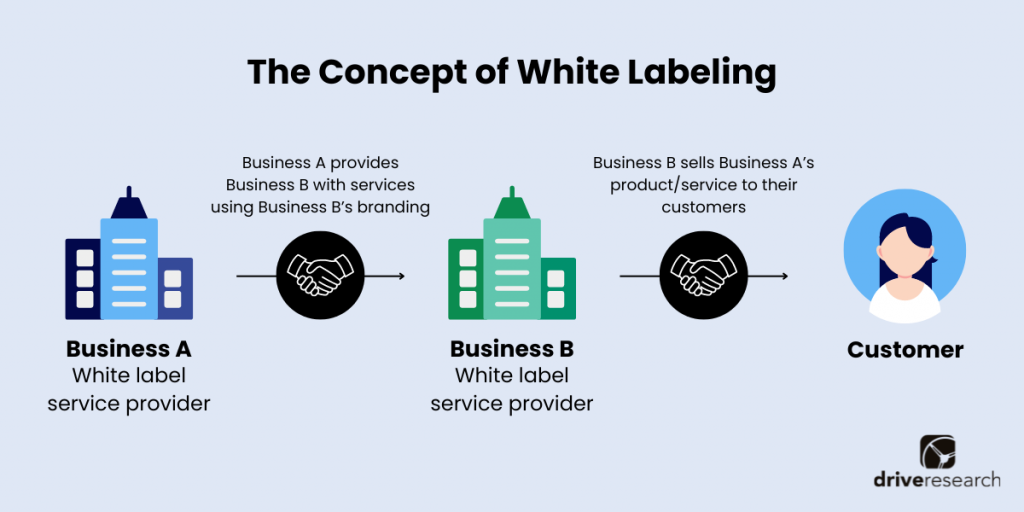
White labelling is when a company removes its own brand from a product or service and allows another business to sell it under their own branding.
Put simply:
-
Someone else makes the thing.
-
You slap your logo on it.
-
You market and sell it as your own.
This can apply to physical products (like shampoo, coffee, or gym supplements), digital tools (like apps or software), or even services (like SEO, web design, or customer support).
It’s like borrowing someone else’s homework, changing the font, and putting your name at the top — except it’s totally legal and often very profitable.
A quick origin story
The term “white label” comes from the music industry (which, as a former gig-promoting, band-touring marketer, makes me smile). Record labels used to send out test pressings of vinyl records with a plain white label on them — no name, no artist — so DJs could play them without knowing where they came from
Mysterious.
Today, the term’s been hijacked by everything from e-commerce platforms to toothpaste manufacturers.

White Label vs Private Label vs Own Label
These terms overlap, but they are not always interchangeable. With white labelling, a supplier generally offers an existing product or service that several businesses can sell under their own names. With private labelling, a retailer or brand usually has more influence over the specification, packaging or exclusivity of a product made by a third party. Own label describes products sold under a retailer’s brand; those products may be developed through private-label arrangements rather than simply relabelled off-the-shelf goods.
For example, a supermarket may commission a manufacturer to develop a recipe specifically for its own-brand range. That is not necessarily the same as buying a standard product and applying a different label. The distinction matters when marketers make claims about quality, provenance, differentiation and value.
Real-world examples of white labelling
Let’s make this tangible with a few examples:
-
Retail: Supermarkets like Tesco, Sainsbury’s and Aldi often sell white label products made by the same manufacturers who produce big-brand goods. It’s cheaper for them, and the margins are tastier than a prawn sandwich meal deal.
-
SaaS: A marketing agency might use a third-party CRM or email automation tool but offer it under their own brand to clients. Clients think they’re using a unique piece of software, but really, it’s just a white-labelled version of a product like ActiveCampaign or Mailchimp.
-
Financial services: White label banking lets companies offer credit cards or savings accounts without becoming a bank. Think fintech apps offering “their” cards – often powered behind the scenes by actual banks like Railsr or ClearBank.
Why businesses use white labelling
White labelling isn’t just about laziness (although not having to build everything from scratch is nice). It’s a strategic decision.
Here’s why businesses love it:
-
Speed to market: You don’t have to develop the product yourself — you just brand it and start selling.
-
Lower costs: No R&D, no manufacturing setup, no massive upfront investment.
-
Brand control: You can build your own brand and customer loyalty, even if you didn’t make the product.
-
Focus on strengths: You can focus on sales, marketing, and customer relationships – let someone else handle the backend.
In marketing terms, white labelling lets you extend your brand’s offer without reinventing the wheel. Or building the wheel. Or even knowing how to make wheels.
The risks and caveats
White labelling isn’t all sunshine and Shopify checkouts. There are things to watch out for:
-
Limited product control: If the supplier messes up, your brand takes the hit.
-
Quality consistency: You’re relying on another business to maintain your brand reputation.
-
Differentiation is tough: If 50 other companies are white-labelling the same thing, you’d better have a killer brand story or marketing strategy.
-
Scalability depends on them: If your supplier can’t keep up with demand, your growth stalls.
And of course, there’s always the ethical consideration: are you being transparent with your customers?
Not every customer minds if you white-label, but honesty does build trust – especially in B2B or service-based relationships.
A supplier may make the product, but the seller still needs a reason for customers to choose its version. That means investing in brand identity and customer perception, as well as a clear promise about value and service.
How white labelling fits into marketing strategy
White labelling is an opportunity to extend your brand, increase product range, and boost revenue without a heavy investment in production. But it also puts more pressure on marketing.
Because when everyone’s selling the same white-labelled product, the one with the better branding, storytelling, and audience connection wins.
It’s a perfect example of why marketers need to go beyond features and focus on:
-
Clear messaging
-
Brand voice
-
Customer experience
-
Loyalty and retention
As Philip Kotler might put it:
Marketing is not the art of finding clever ways to dispose of what you make. It is the art of creating genuine customer value.
And white labelling is a shortcut to value — if you know how to deliver it better than the next guy.
TL;DR
-
White labelling is when one company produces a product or service that others rebrand and sell as their own.
-
It’s common in food, SaaS, finance, and marketing services.
-
Benefits include lower cost, faster launch, and focus on brand building.
-
Risks involve lack of control, limited differentiation, and reputational dependency on the supplier.
-
For marketers, it’s a playground – or a minefield – depending on how good your branding and messaging are.