

The Personality of a Brand
Why Even Something as Ordinary as Tea Needs a Character
Walk down a supermarket aisle and you will quickly notice something curious about marketing. Many products do not just have a brand; they have a personality.
Other times the personality is implied through tone, voice, humour or narrative.
In marketing theory this sits within the concept of brand personality, the idea that brands can adopt human traits that make them easier for consumers to recognise, remember and emotionally connect with. The concept was formalised in the late 1990s by marketing academic Jennifer Aaker, who argued that brands often fall into recognisable personality dimensions such as sincerity, excitement, competence, sophistication or ruggedness.
But while this might sound like abstract theory, it is actually one of the oldest tricks in advertising.
And nowhere is that clearer than in an unlikely place: tea advertising.
Because tea is, objectively speaking, rather difficult to differentiate. It is essentially dried leaves in a bag. Yet brands have managed to give these leaves personalities, voices and entire fictional worlds.
The Marketing Made Clear Podcast
Check out the Marketing Made Clear Podcast on all good streaming platforms including Spotify:
When Products Become People
Before diving into tea specifically, it is worth acknowledging that character-based branding has long been a staple of the food industry.
The Cereal Mascot Playbook
Few categories illustrate the idea better than breakfast cereals.
Characters such as:
-
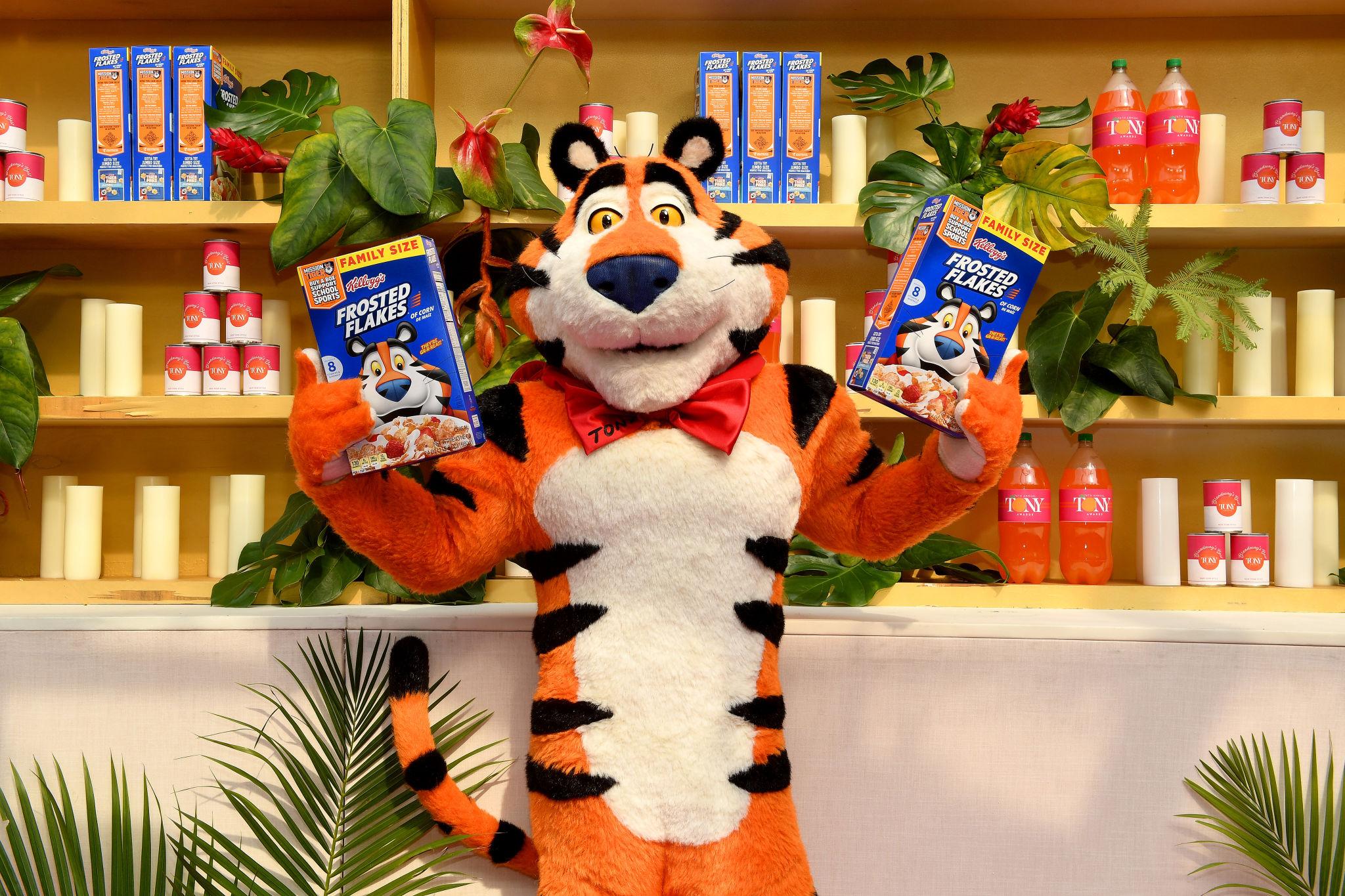
Tony the Tiger (Kellogg’s Frosties)
-
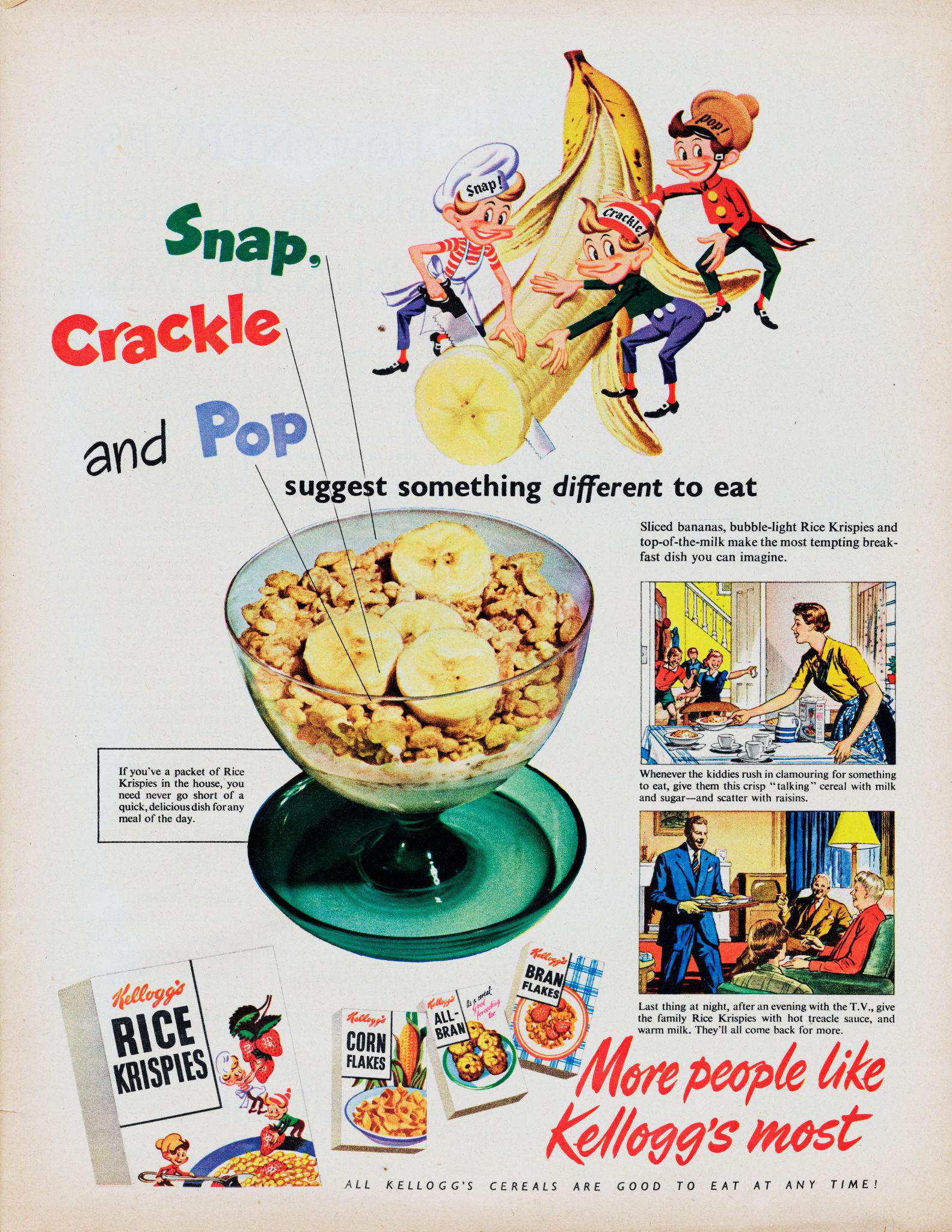
Snap, Crackle and Pop (Rice Krispies)
-
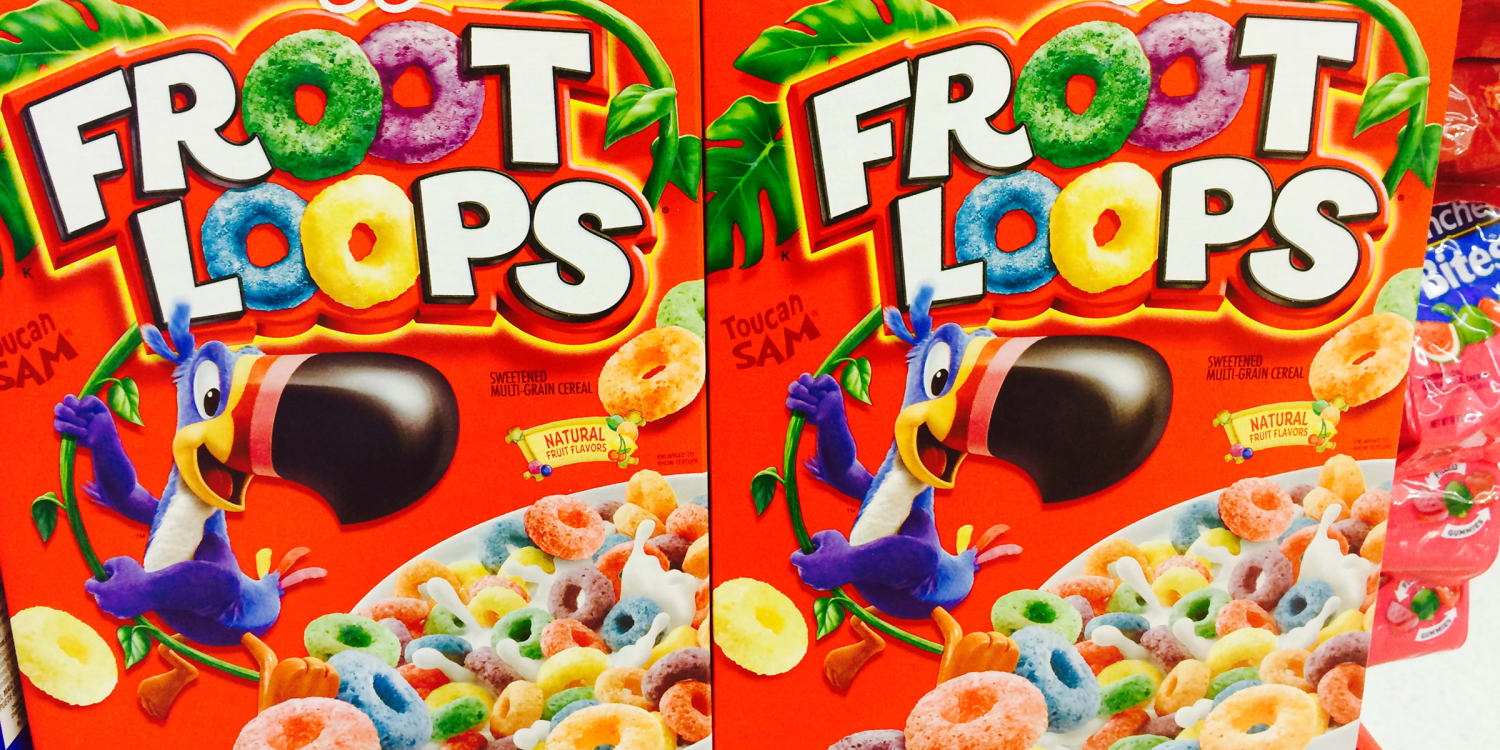
Toucan Sam (Froot Loops)
-
Lucky the Leprechaun (Lucky Charms)
all perform the same fundamental marketing task: they give a personality to a commodity product.
Cereal itself is difficult to differentiate at a functional level. But a character provides:
-
Instant recognition
-
Emotional engagement
-
Narrative continuity across campaigns
-
Merchandising opportunities
Most importantly, characters allow brands to speak to children in a language that feels entertaining rather than commercial.
However, once we leave the children’s aisle and move into more “grown-up” categories, something interesting happens.
Characters do not disappear.
They simply evolve.
Tea: A Surprisingly Character-Driven Category
Tea marketing might appear more restrained than breakfast cereals, but it has historically relied heavily on brand personalities.
PG Tips and the Famous Chimps
The ads were surreal, slightly chaotic and distinctly British. Chimps would sit around drinking tea, working in offices or arguing in living rooms.
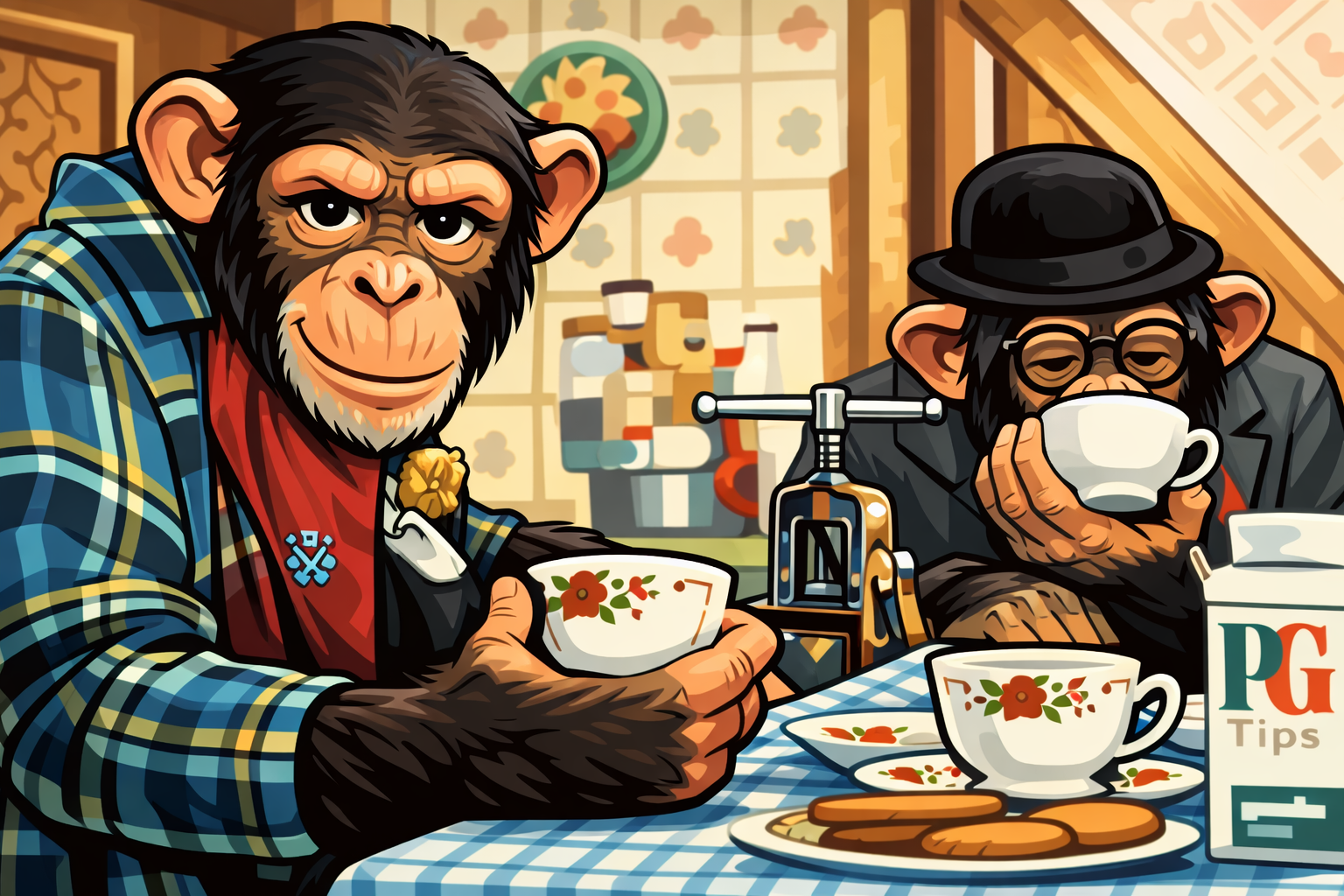
The campaign became one of the most recognisable advertising platforms in the UK.
The characters worked for several reasons:
-
The absurdity made the adverts memorable
-
The humour gave the brand warmth
-
The repeated cast created continuity
But there was another layer at work.
The chimps effectively created a fictional community around the product. Tea drinking was not presented as a functional act. It was portrayed as a shared social ritual.
In other words, the characters made tea feel human.
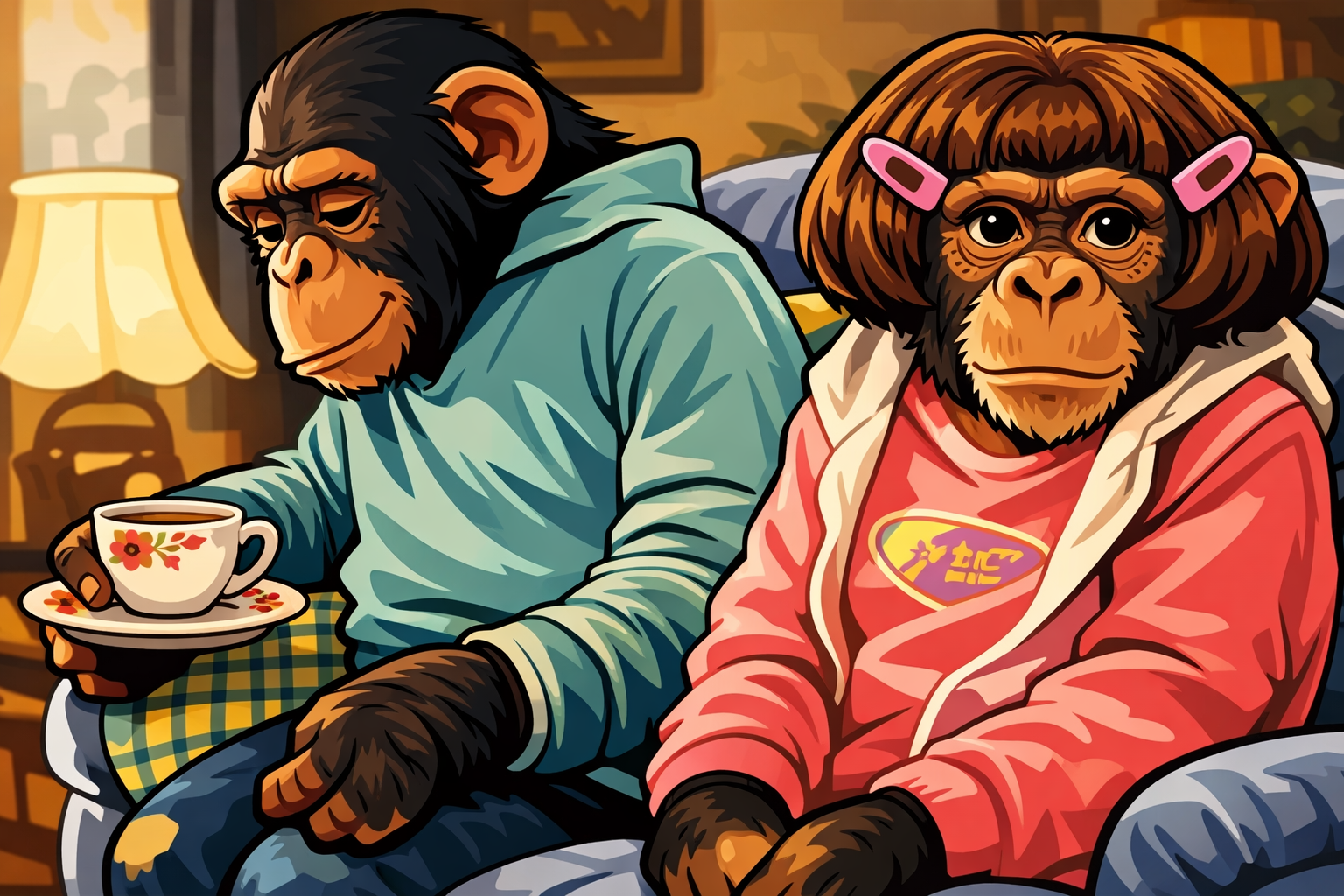
Eventually the campaign was retired, partly due to changing attitudes toward the use of animals in entertainment and advertising. In a modern marketing environment, using live chimps in costumes would almost certainly provoke backlash.
Which highlights an important lesson: brand personalities must evolve alongside cultural norms.
The PG Tips Monkey
Instead, they replaced it with Monkey, a knitted puppet who appeared alongside comedian Johnny Vegas.
Monkey was sarcastic, slightly cynical and unmistakably British. He also represented a shift in tone.
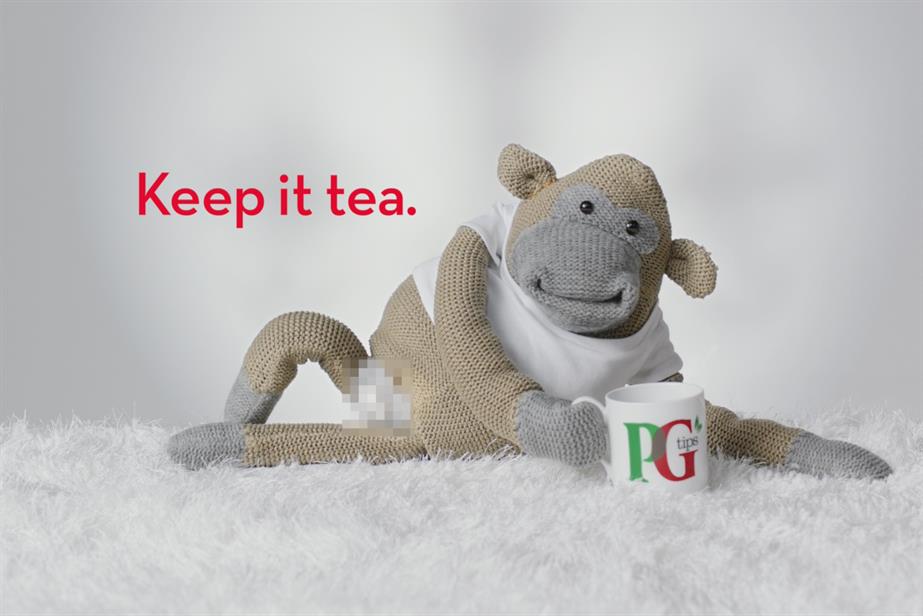
Where the chimps relied on visual humour, Monkey relied on dialogue and personality.
This is a good example of how brand characters can mature alongside their audiences.
Rather than targeting children, the campaign leaned into adult humour and cultural familiarity.
The result was a campaign that felt less like a children’s mascot and more like a sitcom.
Tea as Theatre: When Advertising Becomes Performance
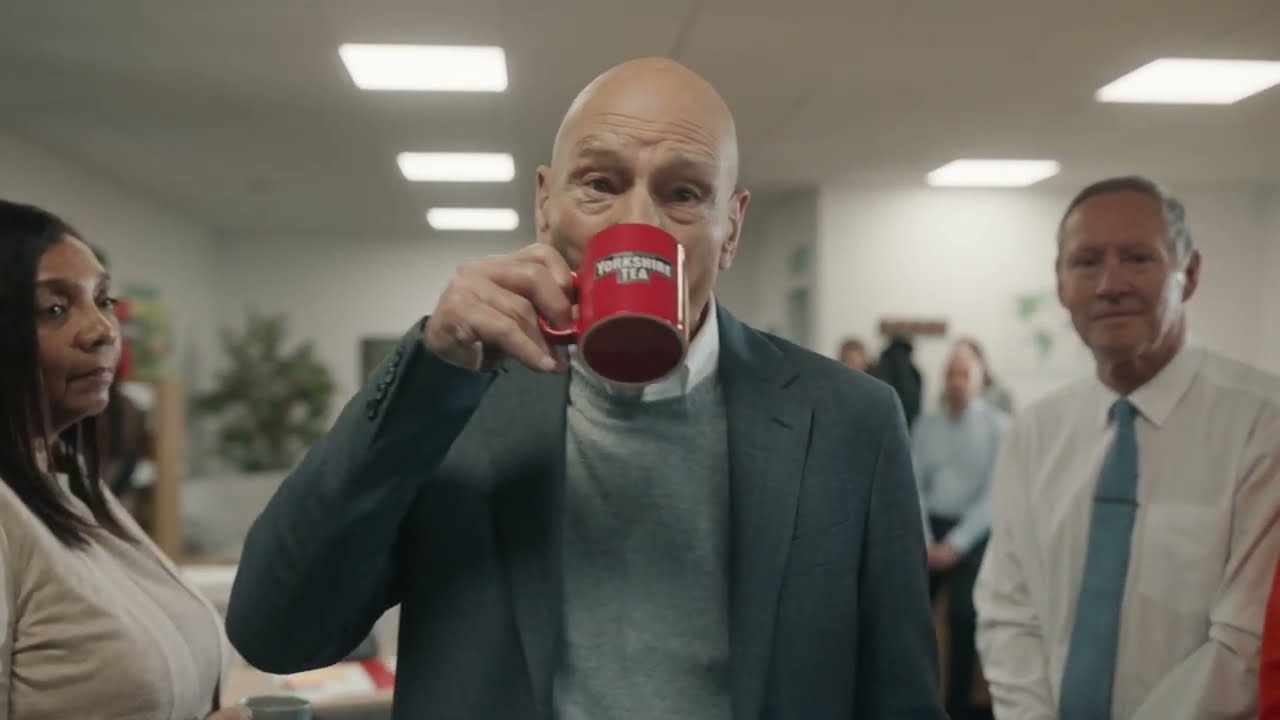
Another brand that has leaned heavily into personality is Yorkshire Tea.
While Yorkshire Tea does not rely on a single mascot, its advertising frequently centres around exaggerated characters and scenarios.
Campaigns have featured:
-
Patrick Stewart struggling to brew the perfect tea
-
A family obsessing over “proper” tea
-
Dramatic tea-related storytelling
The personality here is not embodied by a single character, but by the brand voice itself.
Yorkshire Tea positions itself as:
-
Authentic
-
Northern
-
Slightly stubborn
-
Proudly traditional
This demonstrates an important point in branding.
A personality does not always require a mascot.
Sometimes the tone of communication becomes the character.
Tetley and the Tea Folk
While PG Tips leaned into chimps and later the knitted Monkey, Tetley took a slightly different approach by creating an entire cast of characters.
Introduced in the 1970s, the Tetley Tea Folk were a group of stop-motion animated characters who lived together in a tea-obsessed world. Led by the sensible Gaffer, the group included memorable personalities such as Sydney, Clarence, and later Tina. Their distinctive look – flat caps, round faces and famously oversized noses – made them instantly recognisable.
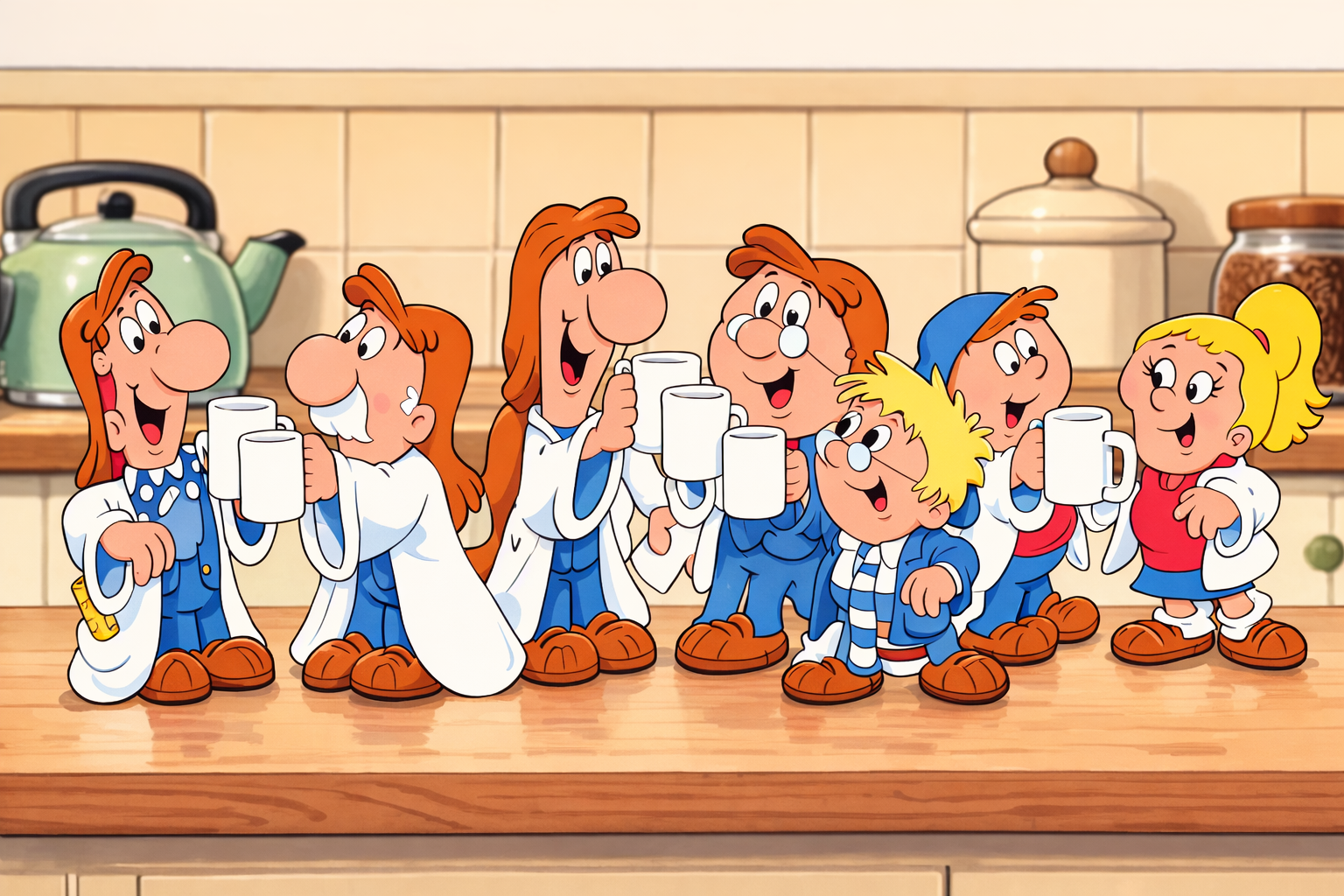
Rather than focusing on slapstick humour, the Tea Folk adverts centred on everyday moments around tea. The characters would gather, chat, worry about running out of tea, or celebrate a fresh brew. In doing so, Tetley cleverly turned tea drinking into a shared social ritual.
The campaign ran for decades and became one of the most recognisable advertising platforms in British television. Much like other mascot-led brands, the Tea Folk helped Tetley differentiate a relatively simple product by giving it something far more memorable than the tea itself: personality.
Why Personality Works in Commodity Markets
Tea is a classic example of what economists might call a low differentiation product.
Most tea bags contain similar blends of black tea. Yet consumers have strong brand preferences.
Personality plays a significant role in creating those preferences.
A recognisable character or tone provides several marketing advantages:
1. Memory encoding
Characters are easier for the brain to remember than abstract logos.
Psychologists often refer to this as dual coding the idea that visual imagery combined with narrative improves recall.
2. Emotional connection
A personality creates a relationship between consumer and brand.
Consumers do not simply buy tea. They buy into a brand’s world.
3. Storytelling continuity
Characters allow campaigns to develop over time.
Rather than reinventing messaging each year, brands can build narratives that evolve.
The Cultural Risks of Character Marketing
However, character-driven branding also carries risks.
The PG Tips chimps illustrate how cultural standards change over time. What was once considered harmless humour may later be viewed as unethical or insensitive.
There are other potential pitfalls too.
Characters can become:
-
Dated – humour styles evolve quickly
-
Overexposed – audiences may tire of them
-
Restrictive – a brand becomes trapped by its own mascot
Some brands struggle to move beyond a beloved character without losing recognition.
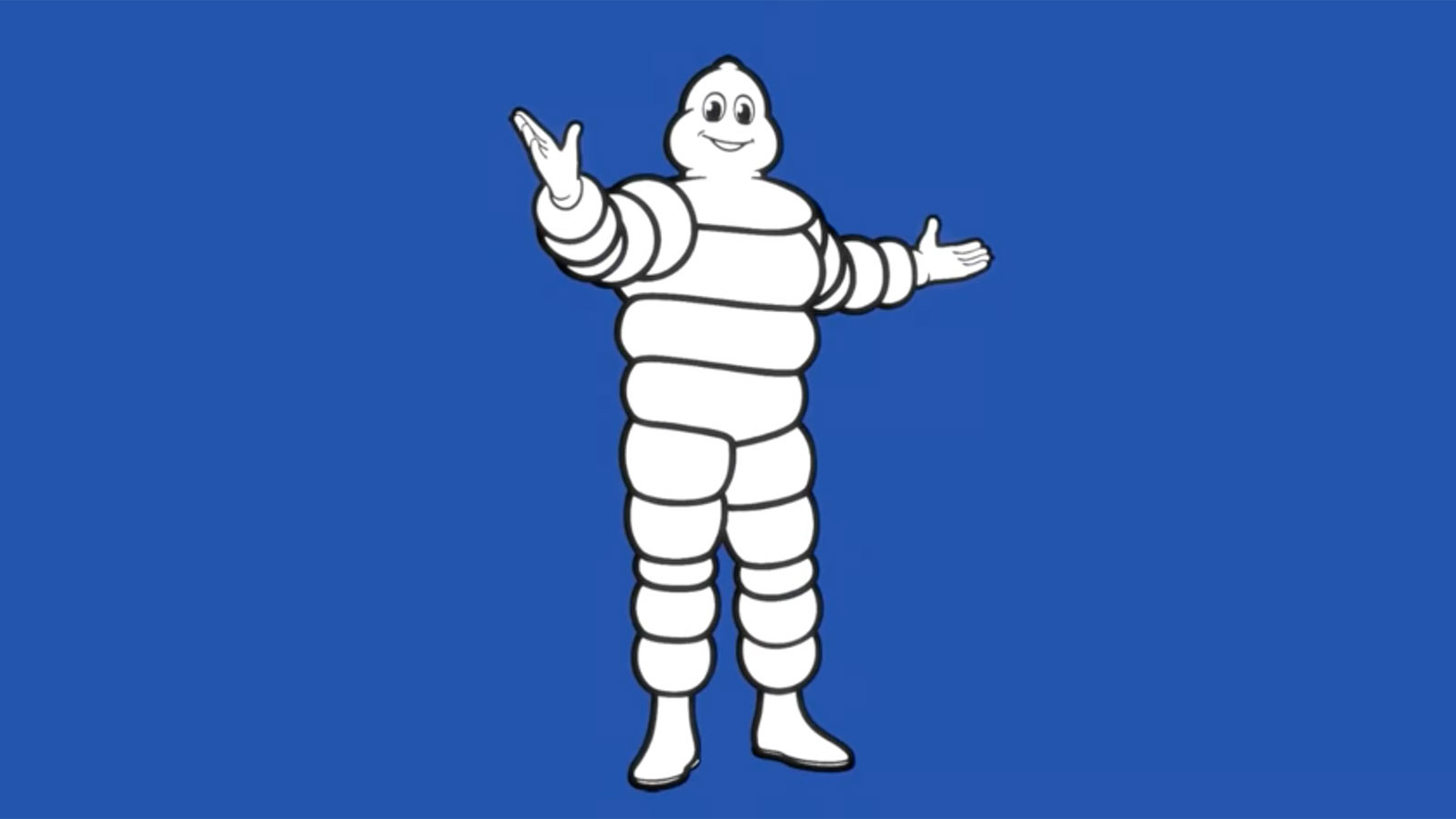
Others successfully reinvent them. A well-known example outside tea is the Michelin Man, who has evolved visually and tonally for over a century.
The Future of Brand Characters
In today’s marketing environment, characters are evolving once again.
Rather than appearing solely in television adverts, they now operate across:
-
Social media
-
Digital campaigns
-
Memes and internet culture
Some brands even experiment with virtual influencers or AI-generated mascots.
Yet the core idea remains unchanged.
Consumers respond to personalities.
Whether it is a tiger selling cereal or a knitted monkey selling tea, characters provide a simple shortcut for something marketers are always chasing:
human connection.
A Final Thought
It may seem strange that tea brands – selling a product with centuries of heritage – rely on puppets, comedians and fictional characters to tell their story.
But perhaps it makes perfect sense.
Tea itself is a social ritual. It is associated with conversation, comfort and shared moments.
By giving the brand a personality, marketers simply make that ritual a little more visible.
And if that personality happens to be a sarcastic knitted monkey, so much the better.
TL;DR
Brand personality is a powerful marketing tool that gives otherwise ordinary products emotional appeal. While character mascots are often associated with children’s products like breakfast cereals, tea brands have also relied heavily on personalities. PG Tips famously used chimpanzees in adverts before evolving the concept into the knitted “Monkey” character, while Yorkshire Tea expresses personality through tone and storytelling rather than a single mascot. Characters help brands stand out in commodity markets, improve memory recall and create emotional connection. However, they must evolve with cultural expectations, as campaigns that once seemed harmless – like chimpanzees dressed as humans – may no longer be acceptable today.