

The History of Paid Advertising
From Town Criers to Targeted Ads
Marketing has always had one fundamental challenge: how do you reach people who might want what you’re selling?
Long before Google Ads dashboards and social media targeting, businesses relied on very simple methods to promote their products. Over time, paid advertising evolved from shouting messages in crowded markets to delivering hyper-targeted messages to individuals scrolling on their phones.
Understanding how paid advertising evolved helps marketers appreciate why certain channels work, why others decline, and why the fundamental principles of persuasion have changed far less than the technology delivering them.
The Marketing Made Clear Podcast
This article features content from the Marketing Made Clear podcast. You can listen along to this episode on Spotify:
Before Advertising: Word of Mouth and Marketplaces
Long before formal advertising existed, trade relied heavily on word of mouth.
In ancient marketplaces, merchants built reputations through:
-
Personal relationships
-
Product quality
-
Local trust
However, as towns and cities grew, businesses needed a way to reach people they didn’t know personally. This is where the earliest forms of paid promotion began.
Ancient Advertising: Signs, Symbols and Town Criers
Examples include:
-
Ancient Egypt (around 1000 BCE) – papyrus posters used to advertise goods or announce events. One surviving example promoted the return of a runaway slave while simultaneously advertising a weaving shop.
-
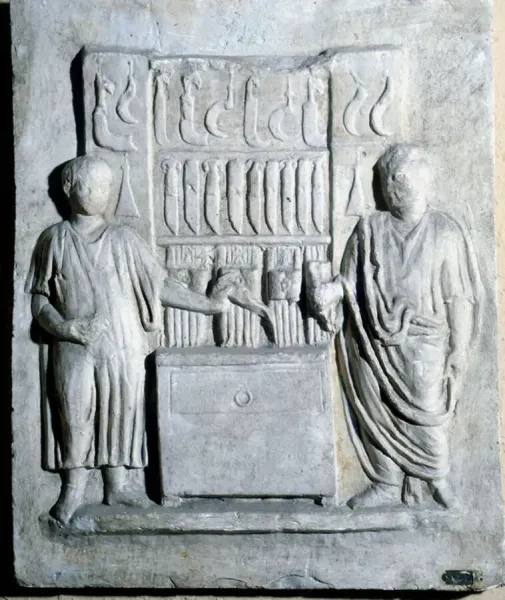
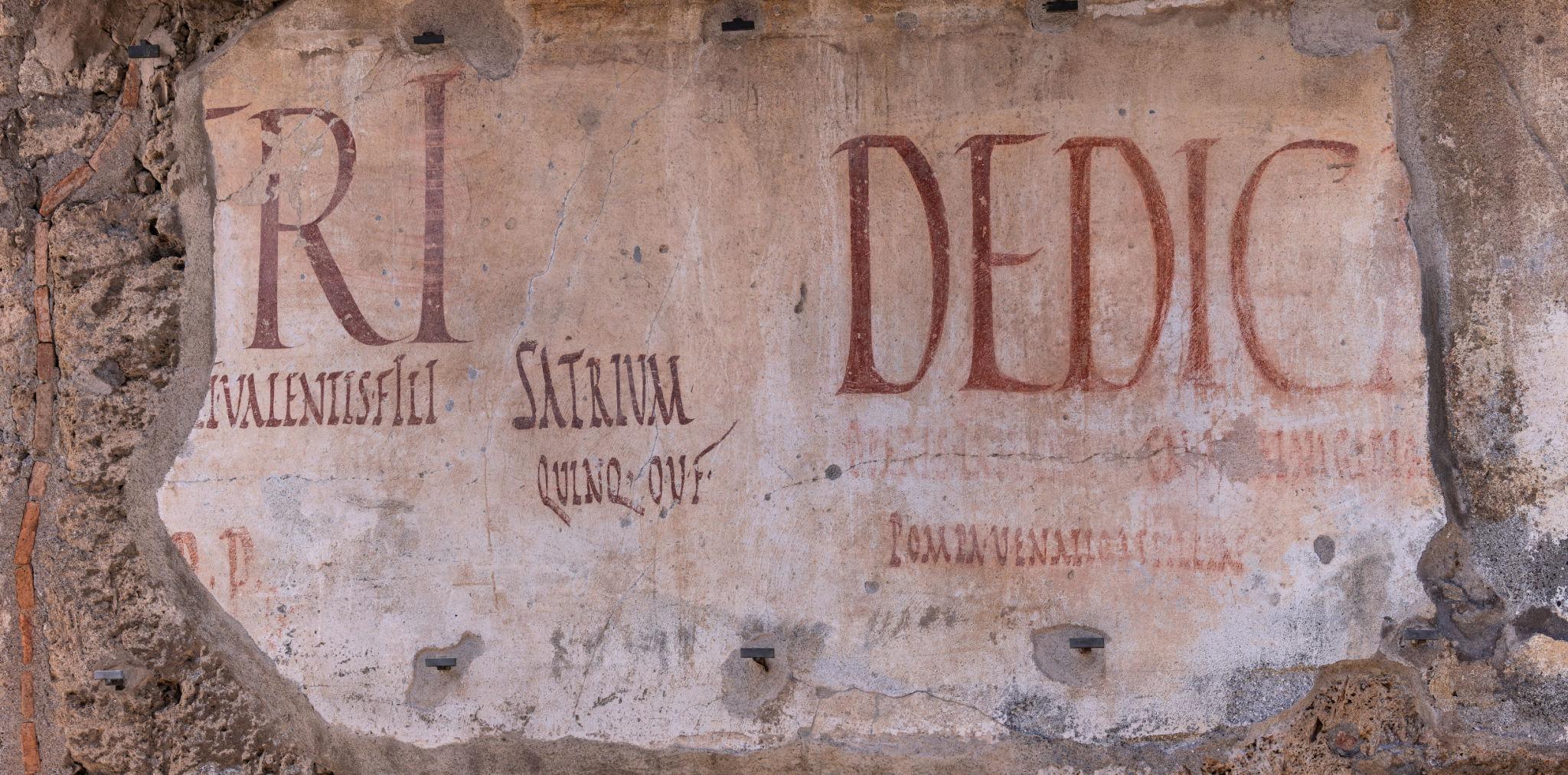
Ancient Rome and Greece – merchants painted messages on walls promoting taverns, gladiator games, or goods for sale.
-
Shop signs and symbols – useful in largely illiterate societies, where images indicated the type of business (for example, a boot for a cobbler).
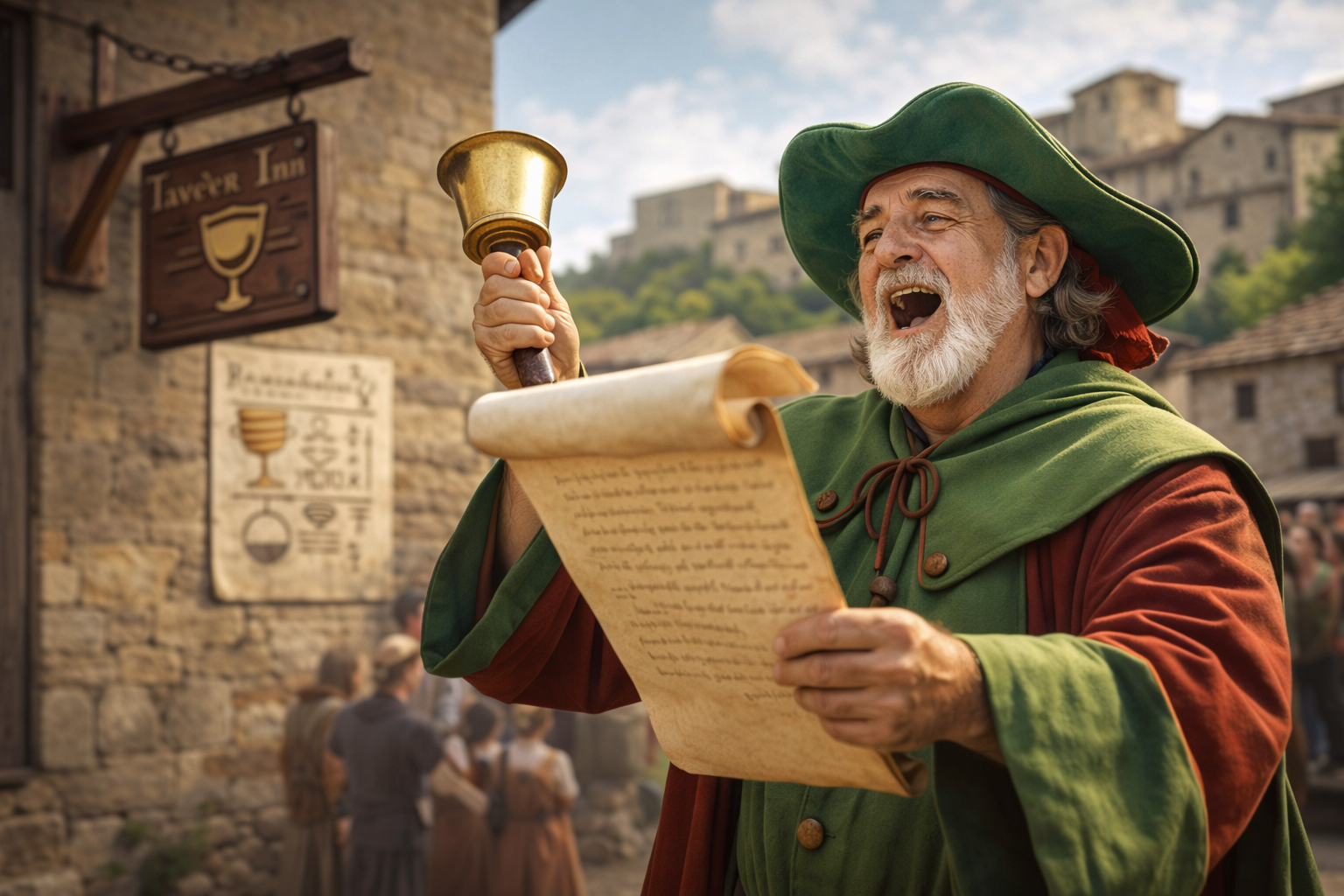
Another early paid promotional method was the town crier. Businesses could pay a crier to publicly announce goods or services in busy streets.
While primitive by modern standards, these approaches established the core idea of advertising: paying for attention in a public space.
Ancient Egypt (around 1000 BCE)
Papyrus posters used to advertise goods or announce events. One surviving example promoted the return of a runaway slave while simultaneously advertising a weaving shop.
Ancient Rome and Greece
Merchants painted messages on walls promoting taverns, gladiator games, or goods for sale.
Shop signs and symbols
Useful in largely illiterate societies, where images indicated the type of business (for example, a boot for a cobbler).
Another early paid promotional method was the town crier. Businesses could pay a crier to publicly announce goods or services in busy streets.
While primitive by modern standards, these approaches established the core idea of advertising: paying for attention in a public space.
The Printing Revolution
For the first time, businesses could distribute messages at scale.
Key developments included:
-
Printed handbills and flyers promoting products and events
-
Newspaper advertisements, emerging in the 17th century
-
Early classified advertising, where businesses paid to appear in small text listings
One of the earliest newspaper adverts appeared in The London Gazette in the 1600s, often promoting books, medicines, or imported goods.
The printing press fundamentally changed advertising by introducing:
-
Mass reach
-
Standardised messaging
-
Paid media placement
For the first time, advertising became a recognisable industry rather than an occasional promotional activity.
The Industrial Revolution and the Birth of Modern Advertising
Mass production meant businesses could produce far more goods than local markets could absorb. Advertising became essential to create consumer demand.
Several important changes occurred:
Brand Names Emerged
Companies began creating recognisable brands rather than selling generic products.
Famous early branded products included:
-
Pears Soap
-
Quaker Oats
-
Cadbury chocolate
These brands used advertising to build recognition and trust.
The Rise of Advertising Agencies
The first advertising agencies appeared in the mid-1800s. Their role was initially simple: buying space in newspapers on behalf of advertisers.
Over time they evolved into strategic and creative partners.
The Billboard
Urbanisation created a new advertising canvas: the billboard.
Large posters were placed on buildings, railways and busy streets, turning cities into early advertising environments.
The Radio Age: Advertising Finds a Voice
For the first time, brands could communicate through sound and storytelling.
Radio advertising introduced:
-
Sponsored programming
-
Brand jingles
-
Voice-led storytelling
Many early radio shows were sponsored by companies, which is why American daytime dramas became known as “soap operas” – they were funded by detergent brands.
Radio proved that advertising could do more than inform. It could entertain, persuade, and build emotional connection.
Television: The Golden Age of Advertising
For marketers, TV was revolutionary because it combined:
-
Visual storytelling
-
Audio
-
Mass reach
The 30-second TV commercial became the standard advertising format.
Iconic campaigns during the television era demonstrated the power of brand storytelling.
Brands could now:
-
Create memorable characters
-
Develop emotional narratives
-
Reach millions of households simultaneously
This period is often considered the creative golden age of advertising, when agencies like those on Madison Avenue became cultural powerhouses.
The Internet Era: From Broadcast to Targeting
In 1994, the first online banner advert appeared on HotWired.com, with a famous message:
“Have you ever clicked your mouse right here? You will.”
Around 44% of people actually clicked it, a number modern marketers can only dream of.
Digital advertising introduced several new capabilities:
-
Precise targeting
-
Performance measurement
-
Real-time optimisation
Unlike traditional advertising, digital channels allowed marketers to track:
-
clicks
-
conversions
-
engagement
-
customer journeys
Advertising was no longer purely about awareness – it became measurable and performance-driven.
Social Media and the Attention Economy
Platforms like:
-
Facebook
-
Instagram
-
YouTube
-
TikTok
allowed advertisers to target users based on:
-
demographics
-
interests
-
behaviours
-
location
Advertising became deeply integrated into everyday digital experiences.
At the same time, the power balance shifted.
Consumers gained new abilities to:
-
skip adverts
-
block adverts
-
publicly criticise brands
Paid advertising therefore became more sophisticated, blending with content, storytelling and influencer marketing.

Today: Data, Algorithms and Personalisation
Modern paid advertising is dominated by data and automation.
Algorithms now determine:
-
which advert someone sees
-
when they see it
-
how often it appears
Artificial intelligence and machine learning help platforms optimise campaigns automatically.
However, despite all the technology, the fundamentals remain familiar.
Successful advertising still depends on:
-
understanding human psychology
-
delivering clear value propositions
-
telling memorable stories
In many ways, the goal of modern advertising is the same as it was for ancient market traders: getting someone’s attention and persuading them to buy.
The Future of Paid Advertising
Several trends are shaping the next phase of advertising evolution:
-
Privacy regulation limiting data tracking
-
AI-generated creative and campaign optimisation
-
Retail media networks from companies like Amazon and supermarkets
-
Increased emphasis on authenticity and trust
As advertising technology advances, the challenge for marketers will remain balancing efficiency with creativity.
Technology can optimise delivery, but the message still matters.
As the marketing scholar Philip Kotler has often emphasised, effective marketing is not simply about reaching audiences – it is about creating meaningful value exchanges between brands and people.
TL;DR
-
Paid advertising has existed for thousands of years, beginning with ancient signs, posters and town criers.
-
The printing press enabled mass communication and the first newspaper adverts.
-
The Industrial Revolution created brands, billboards and advertising agencies.
-
Radio and television introduced storytelling and mass broadcast campaigns.
-
The internet and social media transformed advertising into a data-driven, targeted system.
-
Despite technological advances, the fundamental goal of advertising remains unchanged: capturing attention and persuading people to act.