

Red Bull: How an Energy Drink Became a Media Empire
The marketing strategy behind Red Bull’s dominance in extreme sports, football, and content marketing.
Most brands sponsor events.
Red Bull became the event.
Most brands buy advertising.
Red Bull built its own media company.
Most brands sell products.
Red Bull sells an identity.
It is difficult to think of another company that has so successfully transformed itself from a drinks manufacturer into a global media and entertainment powerhouse. Today, Red Bull is as closely associated with Formula One, football, cliff diving, mountain biking, air races and daredevil stunts as it is with the cans found in supermarket fridges.
For marketers, Red Bull offers one of the most fascinating examples of long-term brand building ever created.
The Marketing Made Clear Podcast
This article features content from the Marketing Made Clear podcast. You can listen along to this episode on Spotify:
The Origins of the Red Bull Brand
Rather than positioning the product around ingredients, Red Bull focused on outcomes.
The brand wasn’t about caffeine.
- It was about energy.
- It wasn’t about taste.
- It was about performance.
The famous slogan “Red Bull Gives You Wings” captured this perfectly.
Instead of competing with soft drinks, Red Bull effectively created a new category.
Selling a Lifestyle Rather Than a Product
Many brands talk about lifestyle marketing.
Red Bull actually executes it.
If you look at a typical Red Bull advertisement, you will notice something unusual.
The drink itself is often secondary.
The focus is usually on:
- Adventure
- Risk-taking
- Achievement
- Athletic performance
- Youth culture
- Freedom
The can acts as a symbol rather than the hero of the story.
This is an approach that Philip Kotler often described as moving beyond product benefits and into emotional and aspirational branding.
Red Bull understood that consumers don’t buy products.
They buy versions of themselves.
Red Bull’s Extreme Sports Strategy
Perhaps the most famous aspect of Red Bull’s marketing is its investment in extreme sports.
The company recognised something many large brands ignored.
Extreme sports audiences are highly engaged.
Participants become evangelists.
Content generated from these sports is visually spectacular.
As a result, Red Bull became heavily involved in:
- BMX
- Motocross
- Mountain biking
- Surfing
- Snowboarding
- Skateboarding
- Cliff diving
- Rally racing
- Air racing
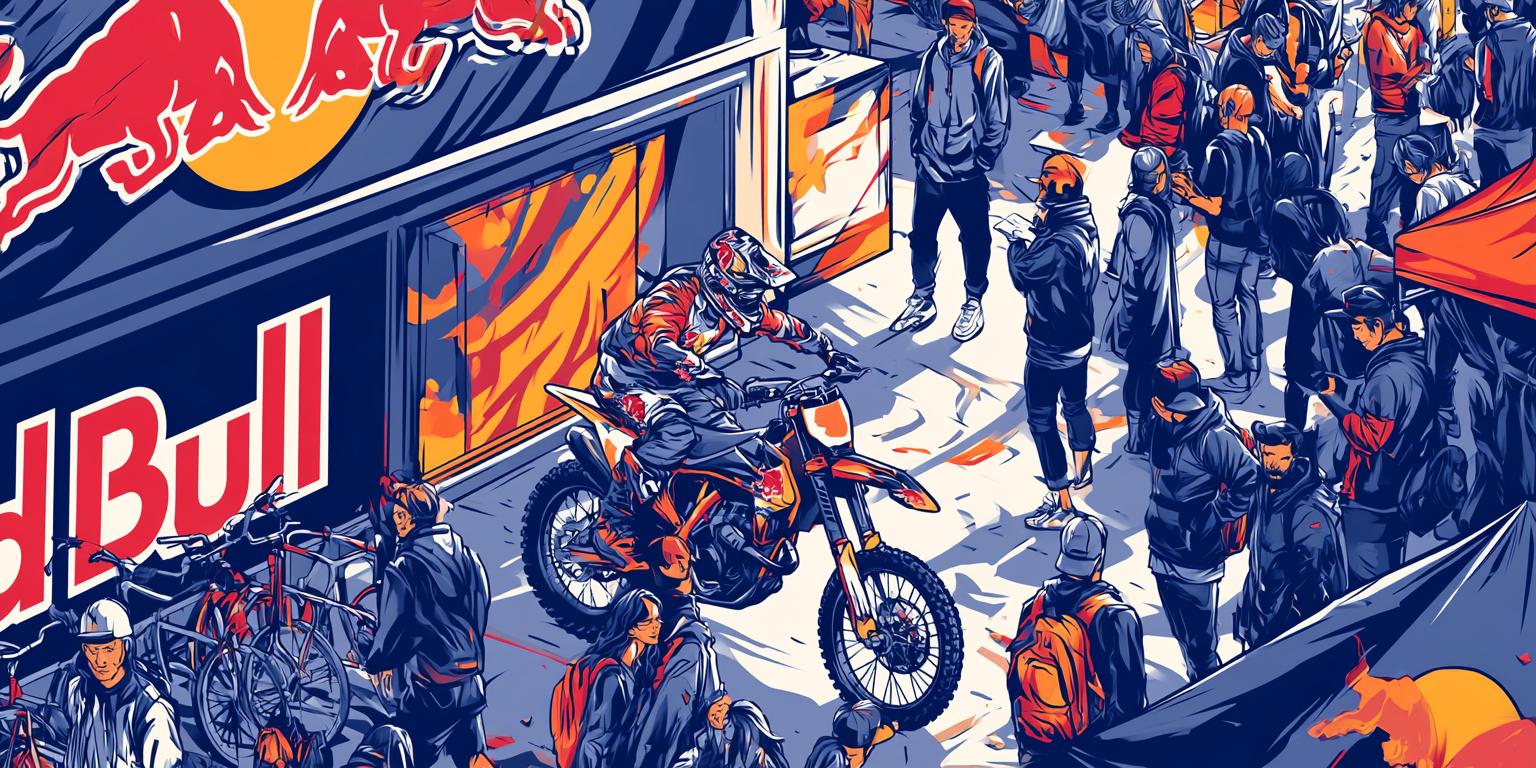
Rather than simply placing logos on athletes’ shirts, Red Bull frequently owns or creates the events themselves.
Examples include:
- Red Bull Rampage
- Red Bull Cliff Diving World Series
- Red Bull Air Race
- Red Bull Crashed Ice
This is a crucial distinction.
Instead of renting attention, Red Bull owns attention.

Stratos: One of the Greatest Marketing Campaigns Ever
If there is a single campaign that demonstrates Red Bull’s philosophy, it is the 2012 Stratos project.
The company sponsored Austrian skydiver Felix Baumgartner in an attempt to break the sound barrier during a jump from the edge of space.
The results were extraordinary:
- Over 39 kilometres above Earth
- Record-breaking freefall
- Global media coverage
- Millions of live viewers
The remarkable thing is that very little of the coverage focused on energy drinks.
People talked about courage, innovation and human achievement.
Yet every headline carried the Red Bull name.
For marketers, this was branded content at its absolute peak.

Formula One: From Sponsor to Champion
Some companies sponsor Formula One teams.
The company owns Oracle Red Bull Racing and transformed it into one of the most successful teams in modern Formula One history.
Through drivers such as:
- Sebastian Vettel
- Max Verstappen
Red Bull gained exposure to hundreds of millions of viewers globally.
Unlike traditional sponsorship, ownership gave Red Bull complete control over branding, storytelling and content creation.
The team effectively became a rolling global advertisement.
The Red Bull Football Experiment
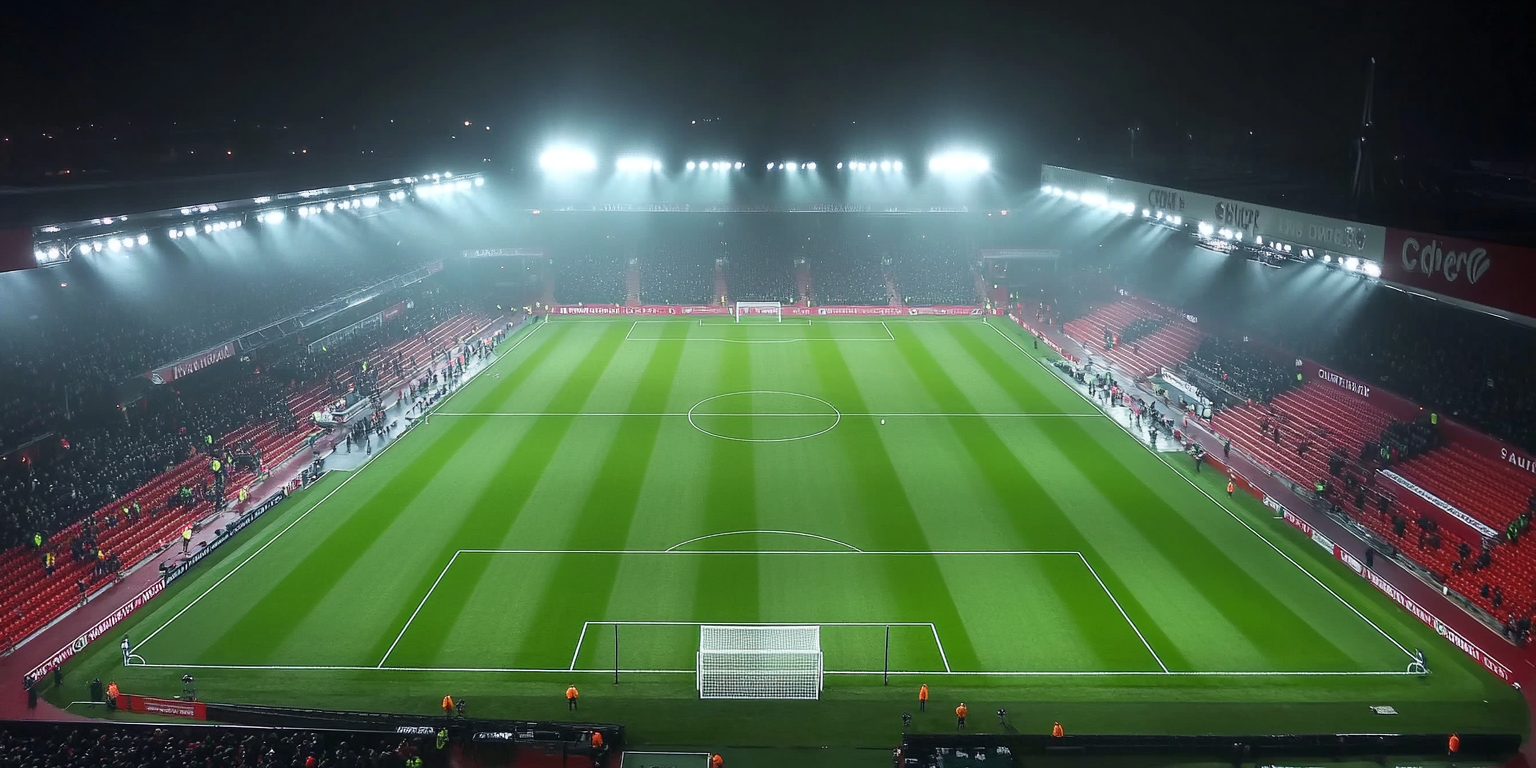
Red Bull has taken an even more aggressive approach in football.
The company owns or has owned clubs including:
- RB Leipzig
- FC Red Bull Salzburg
- New York Red Bulls
- Red Bull Bragantino
The strategy differs significantly from traditional sponsorship.
Rather than merely placing logos on shirts, Red Bull embeds itself into the identity of the club.
This has generated controversy among some football supporters.
Critics argue that it commercialises football traditions.
Supporters point to investment, infrastructure and player development.
From a marketing perspective, however, the approach creates something extremely valuable:
Permanent visibility.
Every match, news story, transfer announcement and social media post reinforces the brand.
Red Bull’s Content Marketing Machine
One reason Red Bull succeeds where many sponsors fail is its content operation.
The company operates what is effectively a media business.
It produces:
- Films
- Documentaries
- Social content
- Podcasts
- Athlete stories
- Live broadcasts
- Event coverage
Red Bull Media House produces content that many consumers willingly watch despite having little interest in energy drinks.
This represents a major shift in marketing thinking.
Instead of interrupting audiences with adverts, Red Bull creates content audiences actively seek out.
Seth Godin would likely describe this as permission marketing in action.
Lessons Marketers Can Learn from Red Bull
1. Own a Territory
Red Bull owns “energy” in consumers’ minds.
Not caffeine.
Not beverages.
Energy.
The broader the territory, the more opportunities exist.
2. Build Associations
Consumers rarely think about ingredients.
They think about associations.
When people think of Red Bull, they think about:
- Adventure
- Performance
- Speed
- Risk-taking
- Excitement
Those associations were built deliberately over decades.
3. Create Rather Than Sponsor
Many companies pay to appear next to culture.
Red Bull creates culture.
That is a much stronger position.
4. Think Long-Term
The company has invested in athletes, teams and events for decades.
Many brands want the benefits of brand building without the patience required to achieve it.
5. Become a Publisher
Modern audiences increasingly ignore advertising.
They still consume entertainment.
Red Bull recognised this long before most marketers.
The Criticism of Red Bull’s Strategy
No marketing strategy is without criticism.
Red Bull has faced concerns around:
- Energy drink health debates
- Marketing to younger audiences
- Commercialisation of sport
- Football ownership models
- The risks associated with extreme sports
Yet these criticisms have rarely damaged the strength of the brand itself.
In many ways, the company has become larger than the product category it created.
Conclusion
The genius of Red Bull is that it stopped behaving like a drinks company.
Instead, it became a media company, an events company, a sports organisation and an entertainment brand.
The product funds the marketing.
The marketing builds the brand.
The brand creates demand for the product.
Few organisations have achieved this cycle as effectively.
For marketers, Red Bull remains one of the clearest examples of a simple but powerful lesson:
People rarely care about what you sell.
They care about what it represents.
TL;DR
Red Bull transformed itself from an energy drink manufacturer into a global media and sports powerhouse. Through ownership of extreme sports events, Formula One teams, football clubs and a vast content operation, the company built associations with energy, adventure and performance rather than focusing on its product. Campaigns such as Red Bull Stratos demonstrate how the brand creates culture rather than merely sponsoring it, providing marketers with a masterclass in long-term brand building and lifestyle marketing.