

Christmas in Bethlehem
Faith, Festivals, and a City at the Heart of the Story
For billions of Christians worldwide, Bethlehem is more than a city; it’s the birthplace of Jesus Christ and the very heart of the Christmas story. Bethlehem and Palestine bring a unique blend of deep religious tradition, Middle Eastern culture, and community festivity.
So how is Christmas actually celebrated in Bethlehem and across Palestine today?
The Marketing Made Clear Podcast
This article features content from the Marketing Made Clear podcast. You can listen along to this episode on Spotify:
Bethlehem: The Centre of Global Pilgrimage
Bethlehem, just six miles south of Jerusalem in the West Bank, draws thousands of pilgrims every December. At its centre is Manger Square, where the Church of the Nativity stands; the site revered as the birthplace of Jesus.
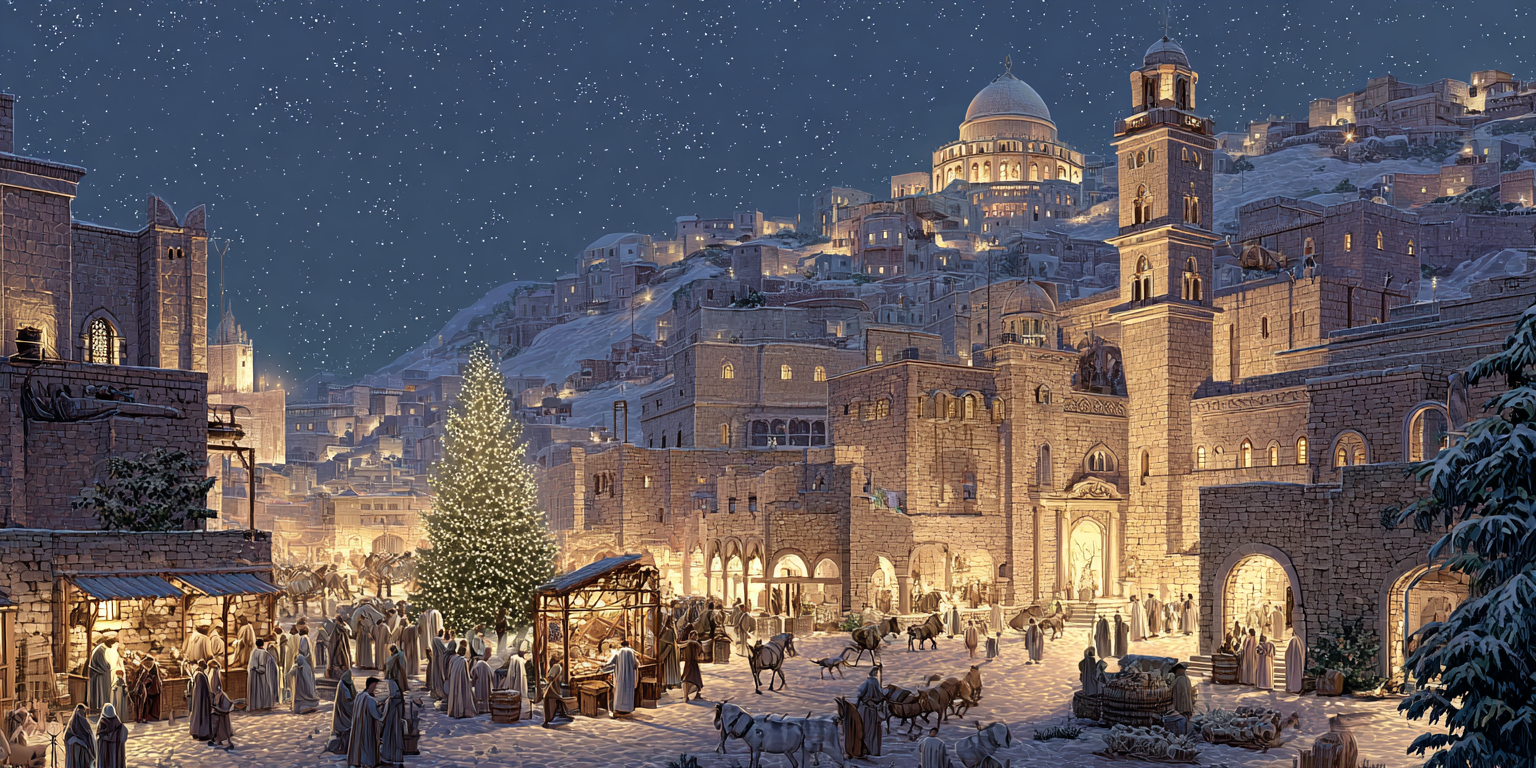
On Christmas Eve, the square fills with worshippers, tourists, choirs, and processions. Scouts in colourful uniforms parade with drums and bagpipes (a legacy of British influence), while giant Christmas trees and decorations transform the square into a festive hub.
The highlight is Midnight Mass at the Church of the Nativity, presided over by church leaders and attended by dignitaries, pilgrims, and locals alike. Broadcast around the world, it’s one of Christianity’s most recognisable Christmas rituals.
Multiple Christmases
One of the unique aspects of Christmas in Bethlehem and Palestine is that it isn’t celebrated on just one date. Different Christian traditions mark the Nativity according to their calendars:
-
25 December – Celebrated by Roman Catholics and Protestants.
-
7 January – Celebrated by most Orthodox Christians (based on the Julian calendar).
-
18–19 January – Celebrated by the Armenian Apostolic Church.
This means Bethlehem effectively celebrates Christmas three times, with the city welcoming processions and ceremonies from each denomination in turn.
Palestinian Traditions and Celebrations
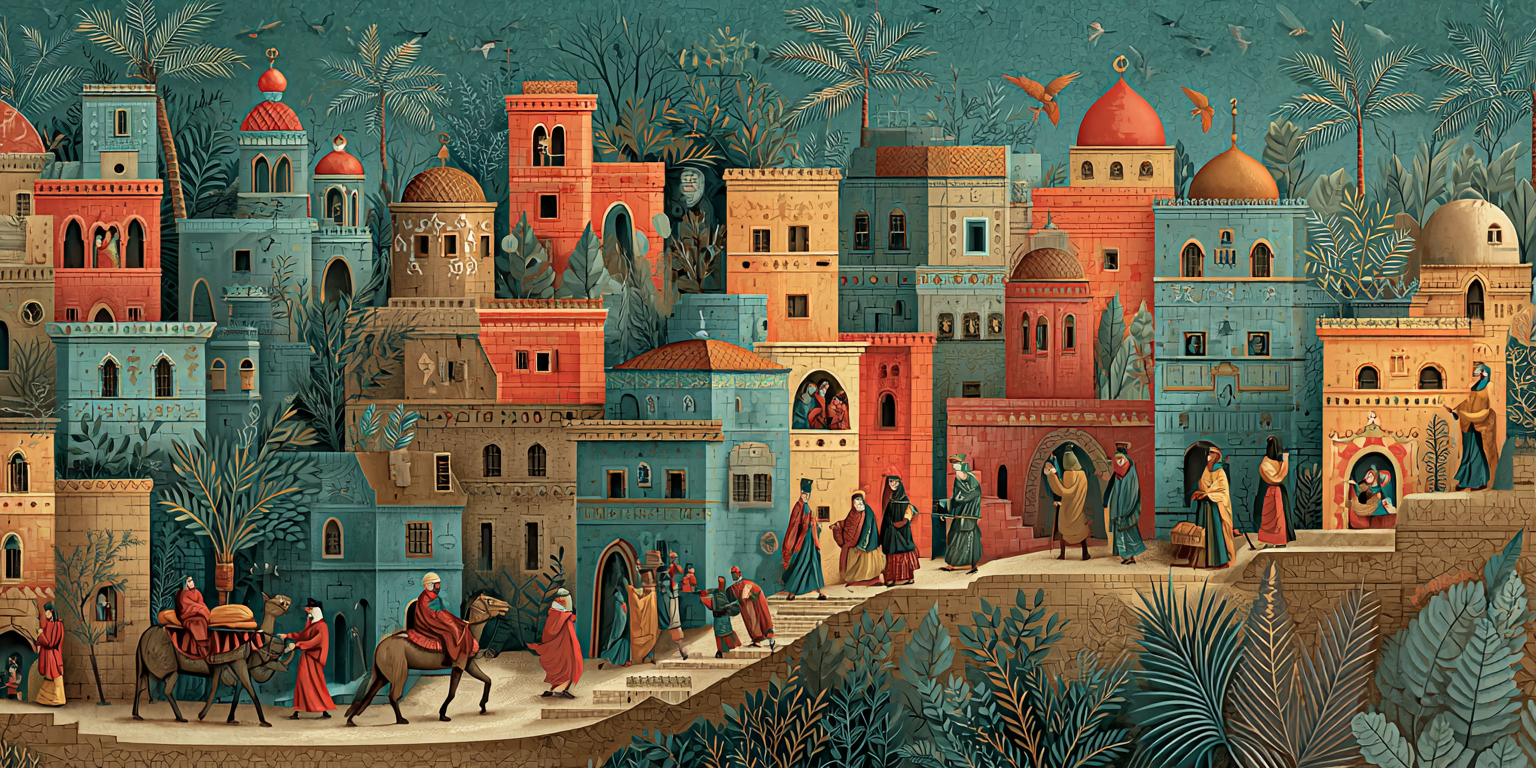
Beyond Bethlehem, Palestinian Christian communities in cities like Ramallah, Beit Jala, and Beit Sahour also mark Christmas with parades, carol singing, and religious services. Streets are decorated with lights, and large Christmas trees are erected in central squares.
Food also plays a central role: families may gather for meals featuring Middle Eastern staples like lamb, rice dishes, olives, and sweets such as ma’amoul (semolina pastries filled with dates or nuts). The season blends global Christmas symbols with distinctly local flavours.
Cultural and Political Context
Celebrating Christmas in Palestine is not without its complexities. For local Christians; a minority in the region, the holiday is both a joyful religious occasion and a marker of cultural identity. It’s also an opportunity for Palestine to welcome international visitors, with tourism to Bethlehem peaking around December.
At the same time, the backdrop of political tensions and restrictions can make the celebrations more poignant. Pilgrims and worshippers often describe the experience as deeply moving, a reminder that the Christmas story itself began in a land marked by hardship, faith, and resilience.
Bethlehem as a Global Symbol
For marketers, Bethlehem’s Christmas is an example of place branding at its most powerful. A small city of under 30,000 people manages to capture global attention every year.
Images of Manger Square, Midnight Mass, and Christmas processions travel around the world, reinforcing Bethlehem’s place as a universal symbol of hope and faith.
TL;DR
Christmas in Bethlehem is unlike anywhere else: pilgrims fill Manger Square, scouts parade with drums and bagpipes, and Midnight Mass at the Church of the Nativity is broadcast across the globe. Christmas is celebrated three times according to different Christian calendars, with local traditions adding Middle Eastern food, music, and community gatherings. Against a backdrop of cultural richness and political challenges, Bethlehem remains the spiritual heart of Christmas and a reminder of the story that started it all.