

Christmas in Athens
Faith, Folklore, and Festive Lights
Athens might be best known for its ancient ruins and sun-soaked summers, but in December the Greek capital embraces Christmas with a unique blend of Orthodox spirituality, folklore, and modern festivity.
From midnight liturgies (public rituals) and traditional sweets to city squares filled with lights and music, Athens brings together the sacred and the celebratory in a way that reflects both its deep history and its contemporary vibrancy.
The Marketing Made Clear Podcast
This article features content from the Marketing Made Clear podcast. You can listen along to this episode on Spotify:
An Orthodox Christmas
In Greece, Christmas (Christougenna) is one of the most important religious holidays of the year, second only to Easter. The season formally begins on 6 December, the feast of Saint Nicholas, and stretches through to 6 January, Epiphany. For many Greek Orthodox Christians, Advent is traditionally a period of fasting and spiritual preparation, culminating in the Divine Liturgy on Christmas Day.
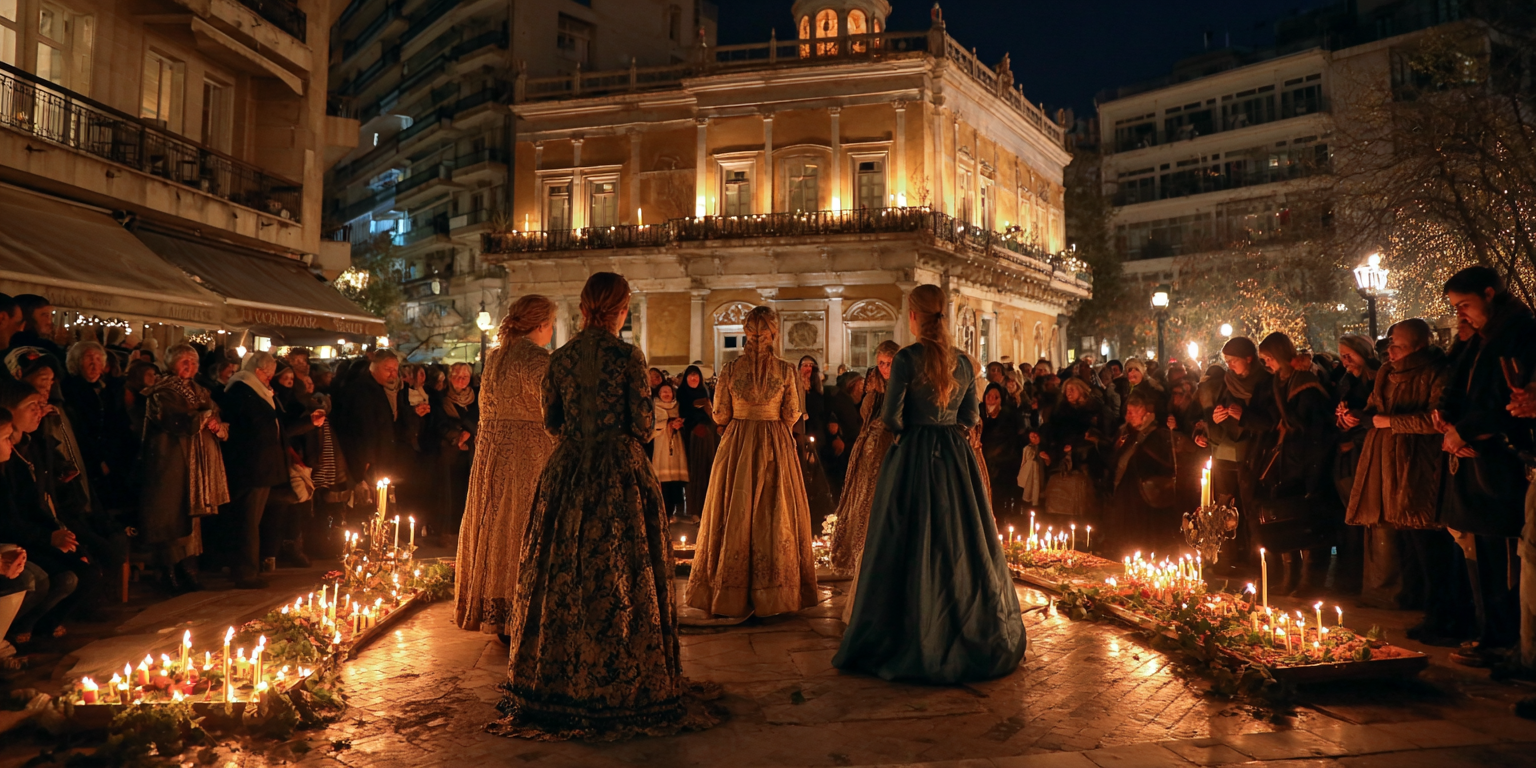
In Athens, churches such as the Metropolitan Cathedral of the Annunciation hold midnight services that draw worshippers into the city centre, filling the air with incense, candlelight, and the sound of Byzantine hymns.
Festive Athens: Syntagma Square and Beyond
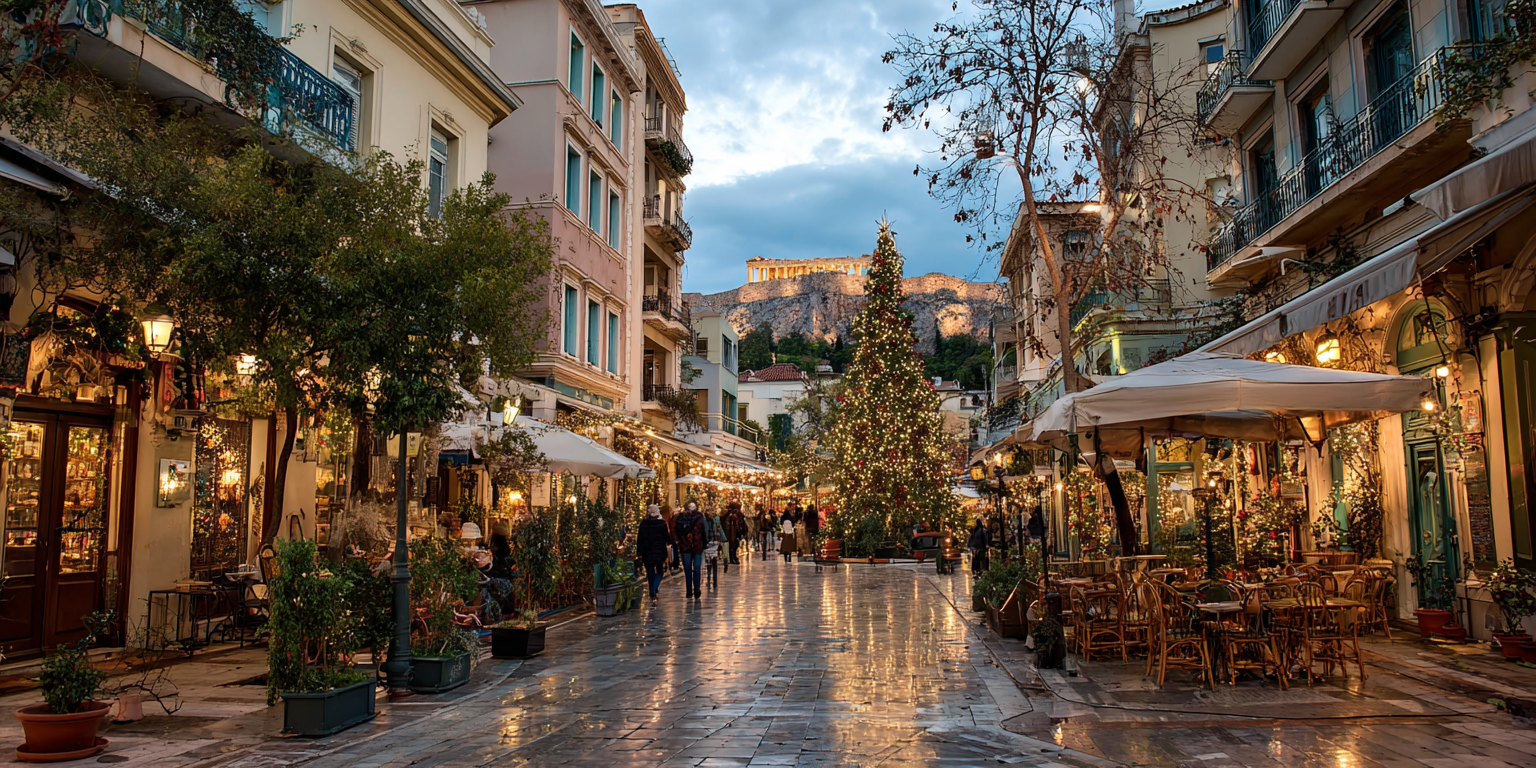
Modern Athens embraces Christmas with an urban flair. Syntagma Square, outside the Greek Parliament, becomes the focal point of celebrations, with towering Christmas trees, thousands of lights, and nightly concerts. Streets like Ermou and Panepistimiou dazzle with festive decorations, while the Stavros Niarchos Foundation Cultural Center stages elaborate light shows, ice rinks, and seasonal performances.
For Athenians, strolling the city streets, enjoying roasted chestnuts from street vendors, and taking in the lights has become as much a tradition as attending church.
Greek Christmas Sweets
No Greek Christmas is complete without its distinctive sweets:
-
Kourabiedes – butter cookies coated in powdered sugar, often compared to snowballs.
-
Melomakarona – honey-drenched biscuits flavoured with cinnamon, orange, and cloves, sometimes topped with walnuts.
-
Christopsomo (“Christ’s bread”) – a round loaf baked with walnuts, raisins, and spices, blessed and shared by families on Christmas Eve.
Bakeries across Athens overflow with these treats, and queues form as families stock up before the holiday.
Folklore: The Mischievous Kallikantzaroi
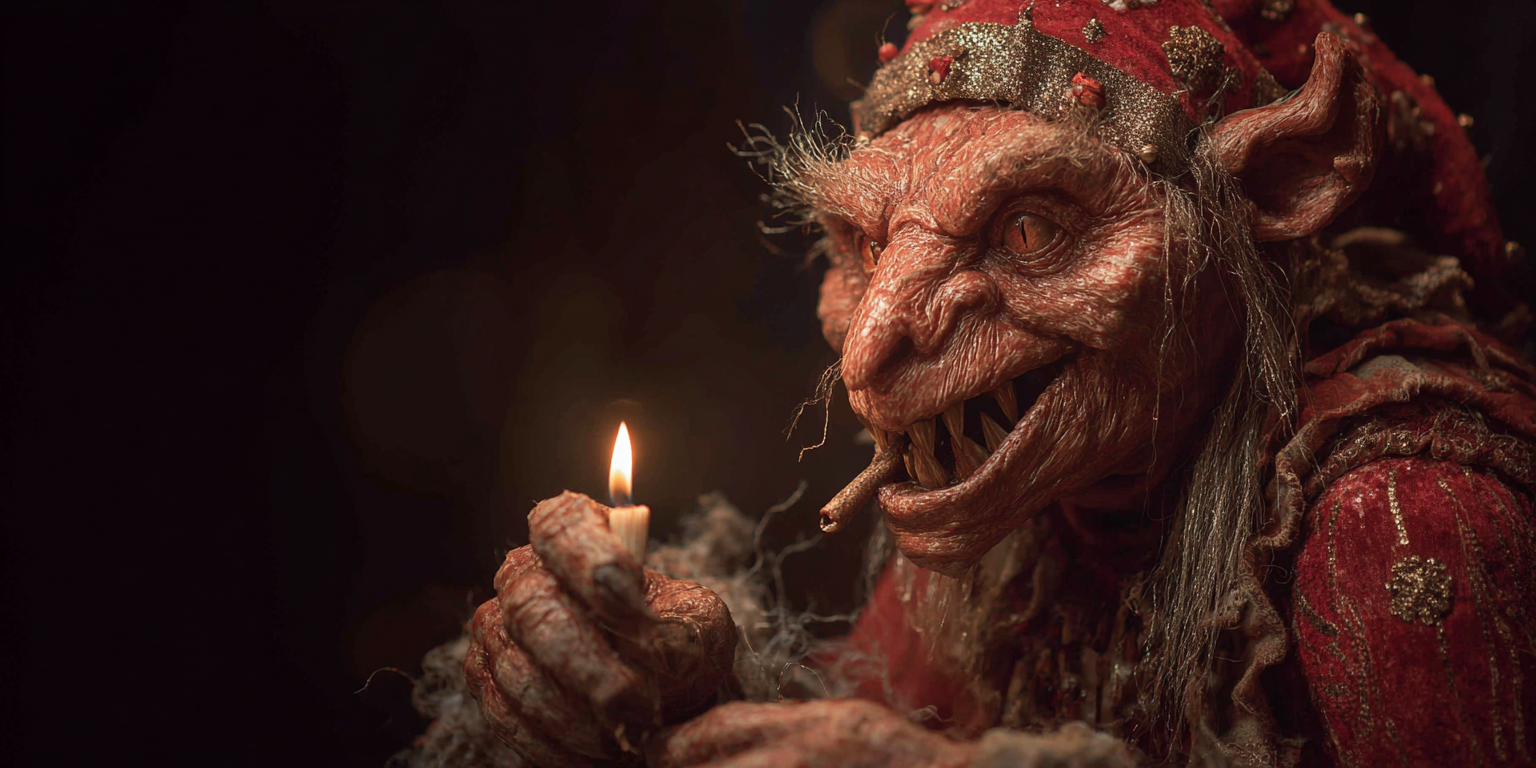
Greek Christmas folklore also adds a mischievous twist. According to tradition, the Kallikantzaroi are goblin-like creatures who emerge from the underworld during the twelve days of Christmas (25 December – 6 January). They sneak into homes at night to cause mischief — tangling hair, overturning furniture, or stealing food.
To ward them off, families used to burn logs or leave fires smouldering in the hearth, while others left offerings of food. Today, the tale of the Kallikantzaroi remains a playful part of the season, often told to children.
Epiphany: Blessing of the Waters
The Christmas season in Greece officially concludes on 6 January with Epiphany, which commemorates the baptism of Christ. In Athens and across the country, priests bless the waters, and young men dive into rivers, harbours, or even swimming pools to retrieve a wooden cross cast by the priest. It’s both a solemn and spectacular tradition, watched by crowds who gather to celebrate renewal and purification.
A Season of Continuity
Christmas in Athens is more than a holiday, it’s a cultural tapestry that weaves together Orthodox devotion, ancient folklore, and modern civic celebration. The lights of Syntagma Square, the midnight hymns of the cathedral, the taste of honey-soaked melomakarona, and the stories of goblins creeping through the night all coexist, reminding Athenians that tradition and joy endure side by side.
The Karavaki: Greece’s Christmas Boat
Before Christmas trees became popular in Greece, the traditional festive decoration was the karavaki, or Christmas boat. In seafaring communities, families decorated small model boats with lights to honour Saint Nicholas, the patron saint of sailors, and to celebrate Greece’s deep maritime heritage.
In Athens today, you’ll see both towering trees in public squares and illuminated karavakia, often displayed in homes, shops, and harbours. The boat symbolises safe passage, protection, and hope – a particularly resonant image for a nation so tied to the sea.
Kalanda: Ancient Christmas Carols
Another beloved tradition is Kalanda, the singing of Greek Christmas carols. Children go from house to house on Christmas Eve, New Year’s Eve, and Epiphany Eve, carrying small metal triangles or drums, and singing ancient songs that date back to Byzantine and even classical times.
In return, they’re rewarded with coins, sweets, or small gifts. The lyrics often include blessings for health, prosperity, and good fortune in the year ahead. In Athens, you’ll hear the sound of triangles ringing through neighbourhoods as groups of children bring cheer with this enduring custom.
TL;DR
Christmas in Athens is celebrated with Orthodox liturgies, festive light displays, and traditional sweets like kourabiedes and melomakarona. Folklore brings tales of the mischievous Kallikantzaroi goblins, while Epiphany on 6 January sees priests blessing the waters and swimmers diving for the cross. It’s a season where faith, food, and folklore come together, making Athens a city that celebrates Christmas with both solemnity and sparkle.