

Thanksgiving Controversies
Unpacking the Debates Around the Holiday
Captain Killjoy here, for balance – I think it’s always worth exploring both sides of the coin when covering topics, so I have had a bit of a look at some of the debates around thanksgiving.
Thanksgiving might be a beloved tradition for millions, but like many widely celebrated holidays, it’s not without its share of controversies. From its historical roots to its modern-day environmental and commercial implications, Thanksgiving sparks important debates that warrant reflection.
Let’s explore the key controversies surrounding this holiday:
The Marketing Made Clear Podcast
This article features content from the Marketing Made Clear podcast. You can listen along to this episode on Spotify:
1. The Myth of the “First Thanksgiving”
The traditional story of Thanksgiving depicts a harmonious feast in 1621 between Pilgrims and Native Americans, a simplified narrative that historians have long contested.
- The Sanitised Story: The portrayal of Pilgrims and Native Americans peacefully sharing a meal glosses over the fraught relationship between European settlers and indigenous tribes. While there was indeed a gathering, tensions soon escalated, with Native Americans facing displacement, violence, and the devastating impact of European diseases.
- The Bigger Picture: The 1621 event was not the origin of an annual tradition. Thanksgiving as we know it wasn’t celebrated regularly until the 19th century. Critics argue that this “origin myth” romanticises colonisation and erases the harsh realities of European settlement.
For a deeper dive, I recommend The Rest Is History podcast, which delves into the complexities of this era. Or, for a humorous take, revisit the iconic scene in The Addams Family Values where Wednesday Addams rewrites the Thanksgiving narrative in her school play – satirical but thought-provoking!
2. Colonialism and Indigenous Genocide
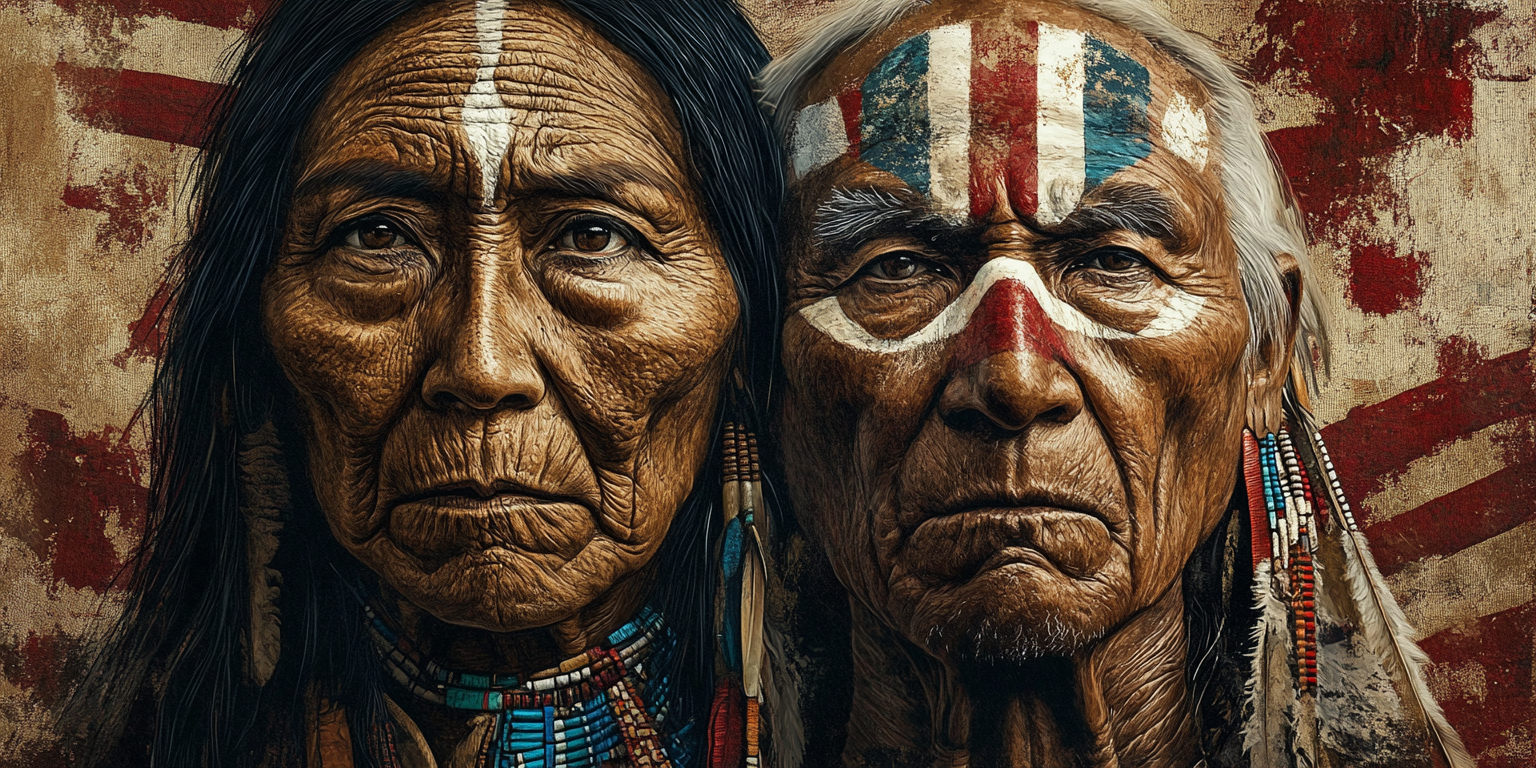
For many Native Americans, Thanksgiving serves as a reminder of the atrocities committed against their ancestors.
- National Day of Mourning: Since 1970, some Native Americans have observed Thanksgiving as a day to reflect on the displacement, genocide, and cultural destruction caused by European colonisation. This is especially significant for the Wampanoag people, who were present at the original 1621 feast.
- The Darker Legacy: Beyond the feast, history records events like King Philip’s War (1675–1678), which decimated indigenous populations in New England. These realities challenge the narrative of Thanksgiving as a symbol of unity.
3. Commercialisation of Thanksgiving
What began as a day of gratitude has evolved into a major commercial event, drawing criticism from those who feel its original purpose has been lost.
- Black Friday’s Shadow: Thanksgiving now serves as a prelude to Black Friday, with sales starting earlier each year. The shift from giving thanks to frenzied shopping has been called hypocritical, and retail workers often sacrifice their holiday to accommodate extended hours.
- Diluted Meaning: Thanksgiving’s association with shopping and consumerism overshadows its deeper cultural significance, reducing it to the starting gun for the holiday sales season.
You have to wonder what Sarah Josepha-Hale (who campaigned for Thanksgiving to become a national holiday), could have foreseen this transformation!
4. Environmental and Ethical Concerns
The environmental and ethical implications of Thanksgiving traditions have also come under scrutiny.
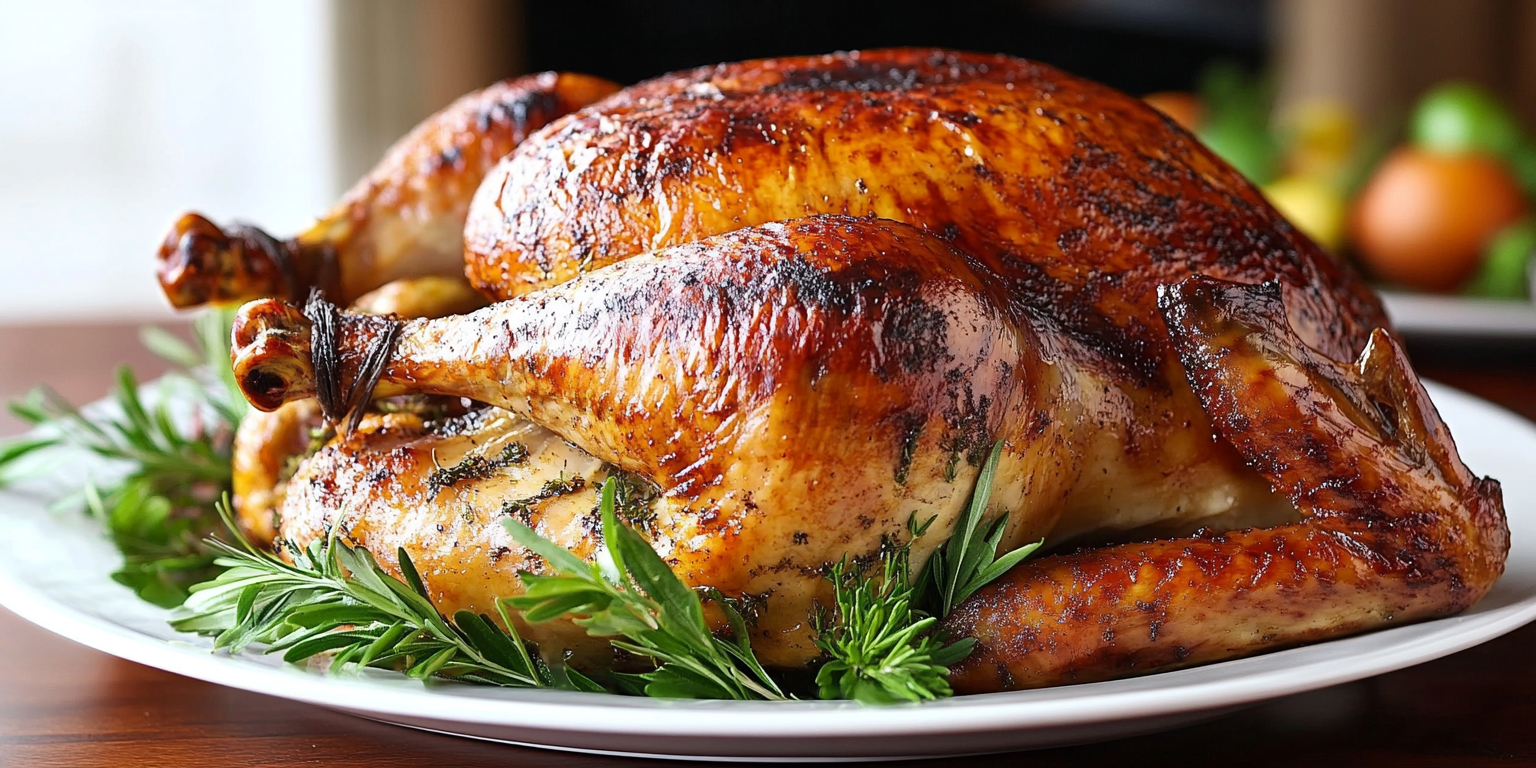
- Industrial Farming: The production of millions of turkeys raises concerns about animal welfare and the environmental impact of factory farming. Critics highlight issues like greenhouse gas emissions, deforestation, and excessive water use.
- Food Waste: The sheer scale of Thanksgiving feasts often leads to significant food waste. Millions of pounds of uneaten turkey, sides, and desserts contribute to landfill waste, exacerbating food insecurity and environmental challenges.
- Plant-Based Movements: In response, there’s a growing push for plant-based Thanksgiving meals, seen as more sustainable and ethical. However, this debate intersects with broader discussions about sustainable farming and regional agricultural practices.
5. The Evolving Meaning of Thanksgiving
Thanksgiving has become a cultural mosaic, reflecting the diverse experiences and perspectives of modern America.
-
A Blended Tradition: For immigrant families, Thanksgiving can be a chance to fuse cultural heritage with American customs. This inclusivity creates new traditions, such as incorporating dishes from various cuisines into the traditional feast.
-
Cultural Critiques: On the flip side, some argue that the holiday’s European-focused narrative excludes many Americans’ experiences, perpetuating a narrow definition of what it means to be “American.”
-
Polarisation at the Table: Thanksgiving has also become a flashpoint for social and political debates, with family gatherings sometimes highlighting divisions rather than unity. As American politics grows increasingly polarised, even the dinner table can become a battleground.
A Time for Reflection
Despite these controversies, Thanksgiving remains a meaningful tradition for many. It’s a day to pause, reflect, and come together with loved ones, an opportunity to focus on gratitude and connection in an increasingly fragmented world.
By acknowledging the complexities of its history and evolving practices, we can embrace a more inclusive and thoughtful way to celebrate Thanksgiving.