

International Women’s Day: What Marketers Should Really Be Talking About
From suffrage to sponsorships – how brands can move beyond hashtags and into meaningful impact
International Women’s Day (IWD) is celebrated annually on 8 March. Its roots lie in early 20th-century labour movements and suffrage campaigns. In 1910, activist Clara Zetkin proposed the idea of an international day dedicated to advancing women’s rights. The first official observance took place in 1911, and the United Nations began celebrating it in 1975, formally adopting it in 1977.
The origins matter.
International Women’s Day was not created as a brand activation opportunity. It was a political and social movement focused on improving women’s rights, working conditions and representation.
And that is precisely why it presents both opportunity and risk for marketers.
The Marketing Made Clear Podcast
Check out the Marketing Made Clear Podcast on all good streaming platforms including Spotify:
The Commercialisation of a Cause
Over the past two decades, International Women’s Day has evolved from protest to platform. Alongside marches and activism, we now see social media tiles, panel discussions, corporate pledges and limited-edition packaging.
Some of this is positive. Visibility matters. Representation matters. Investment matters.
But marketers have to ask an uncomfortable question:
Are we participating in meaningful change – or borrowing credibility for a day?
Philip Kotler has consistently argued that marketing should create value for society as well as shareholders. If we accept that premise, International Women’s Day becomes a useful test:
-
Does the organisation’s behaviour align with its messaging?
-
Is the commitment visible year-round or only on 8 March?
-
Is there measurable action behind the campaign?
If the answer to those questions is vague, consumers will notice.

Brands That Have Taken a Longer-Term View
Nike
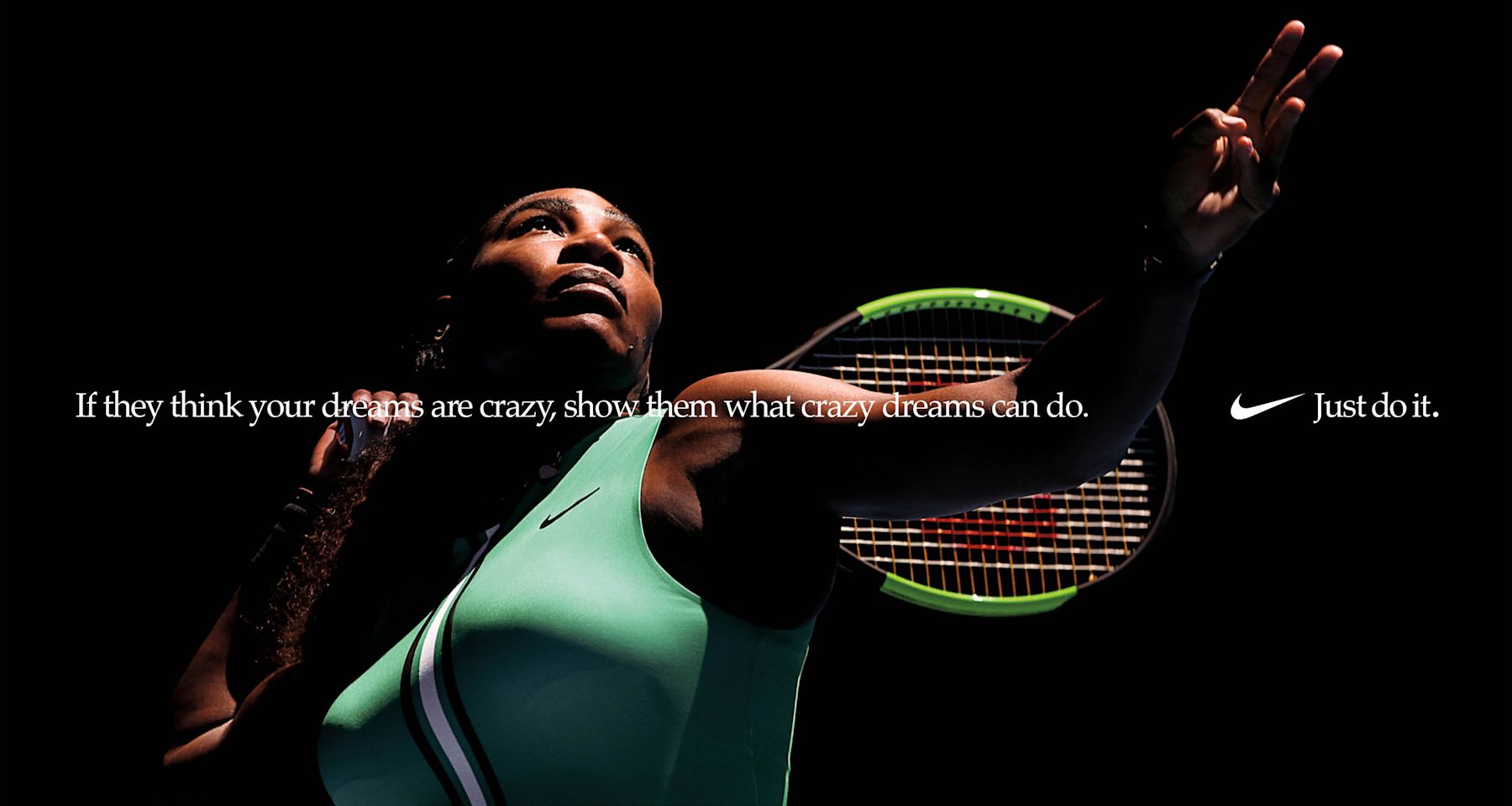
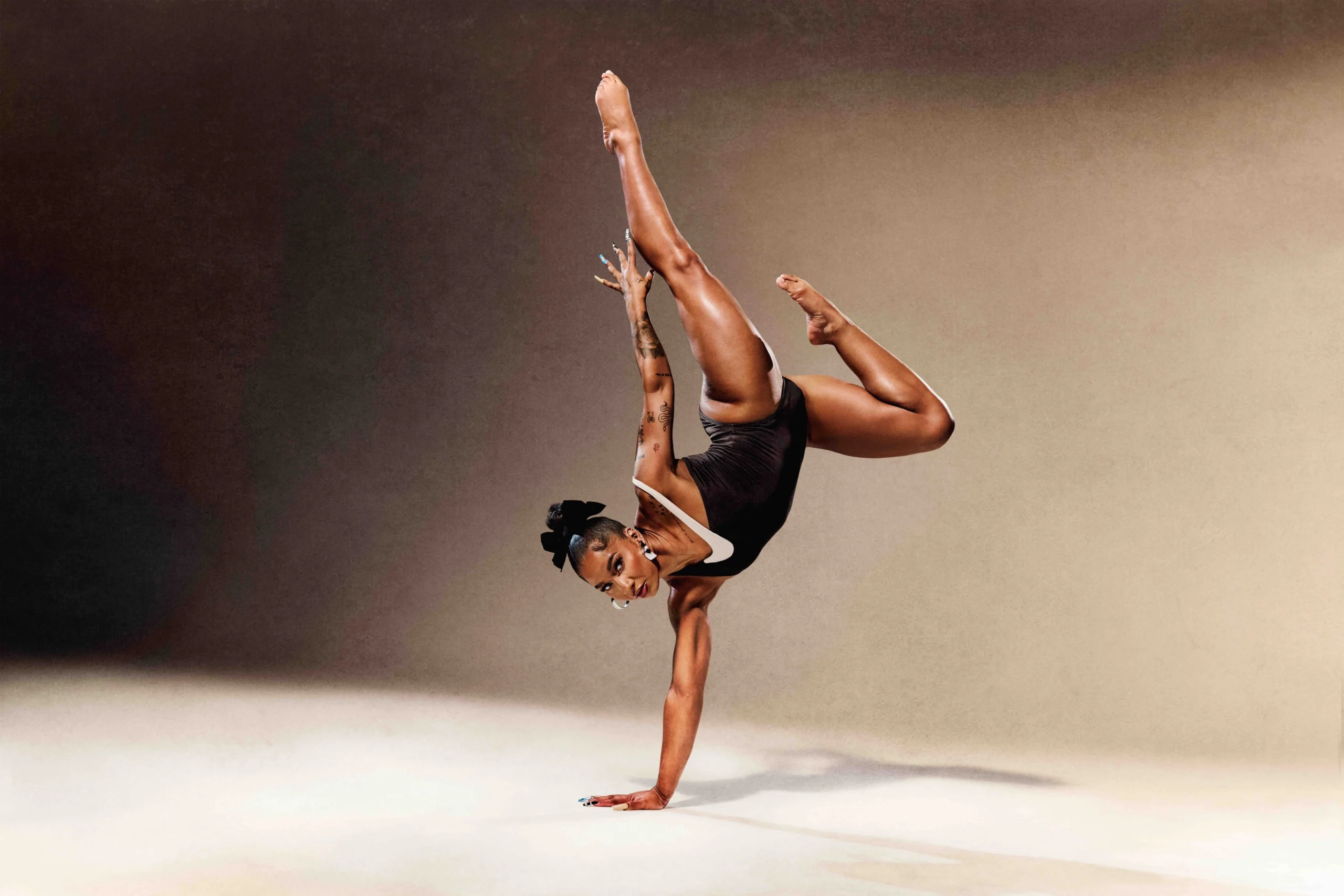
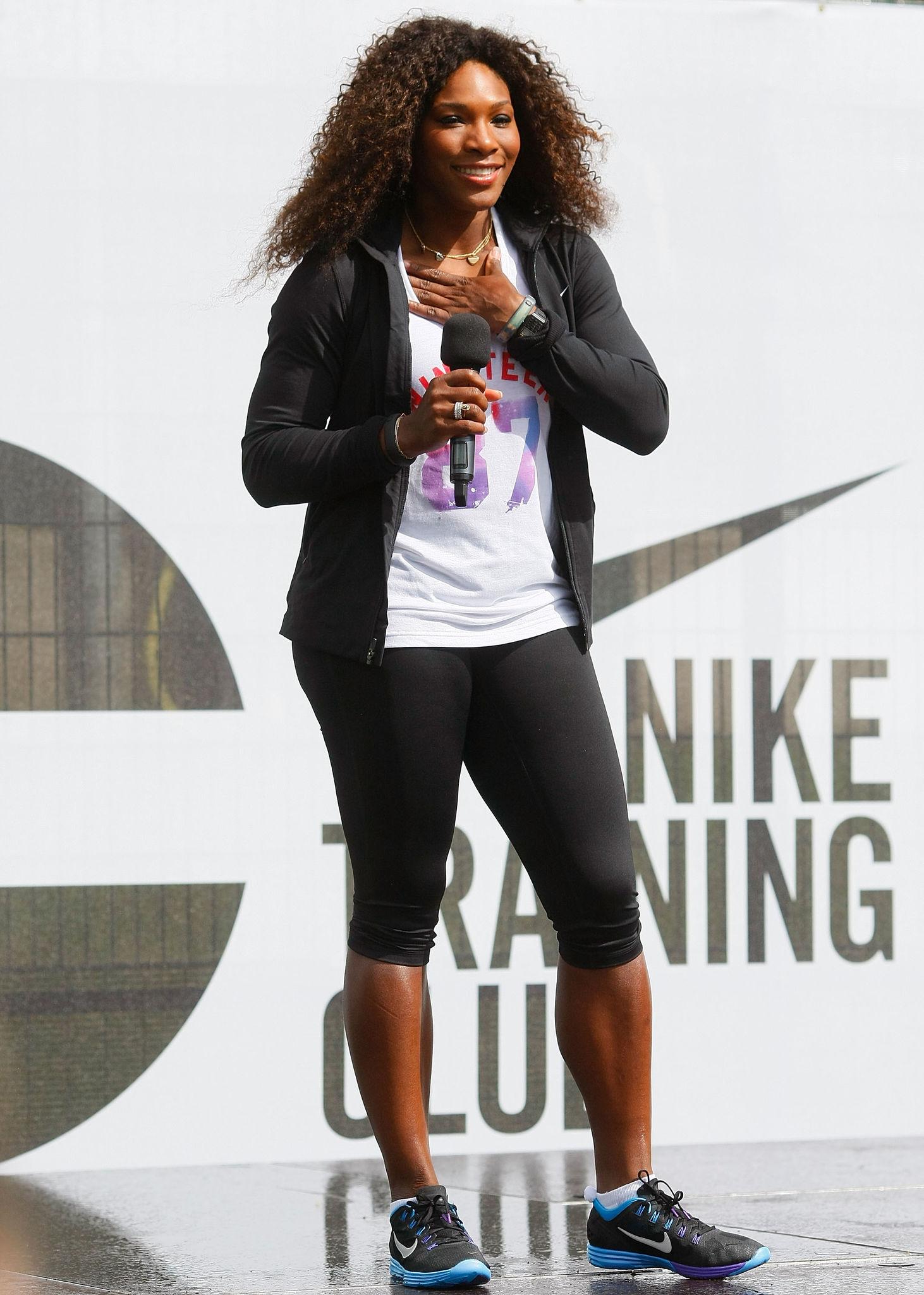
Nike’s “Dream Crazier” campaign, narrated by Serena Williams, directly challenged stereotypes around women in sport. Importantly, it was not confined to a single day. It sat within a broader strategy of investing in women’s leagues, supporting female athletes and designing products specifically for women rather than simply resizing men’s ranges.
That is positioning, not opportunism.
Unilever
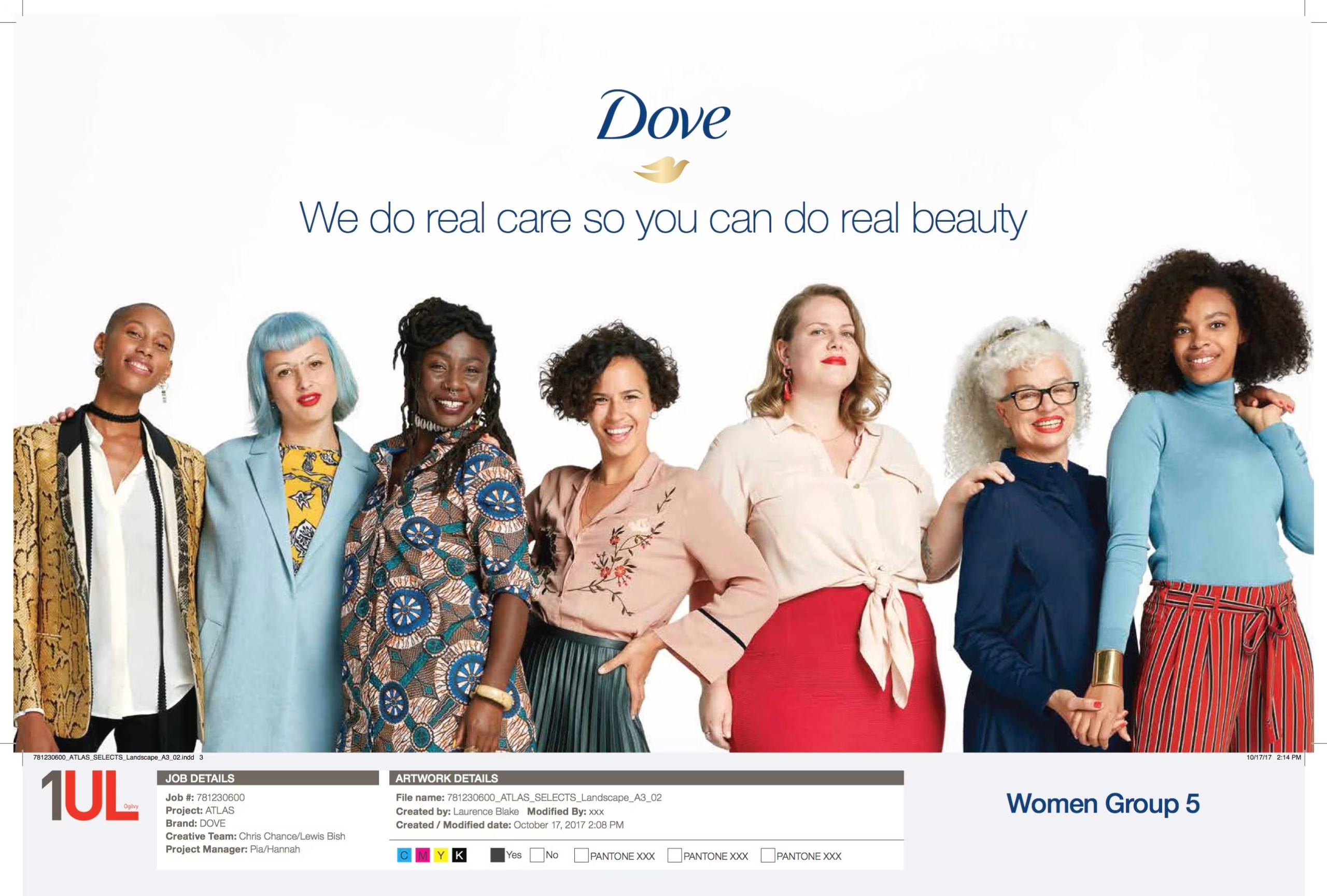
Through Dove’s “Real Beauty” platform, Unilever embedded representation and body confidence into long-term brand architecture. The campaign has attracted criticism over the years – particularly when other brands within the group appeared to contradict the message – but its longevity demonstrates that equality was integrated into the strategy rather than appended to a calendar date.
The distinction is consistency.

The Risk of One-Day Feminism
The more common scenario is what might be described as “one-day feminism” – inspirational quotes in March, business as usual in April.
In the UK, organisations with more than 250 employees are required to publish gender pay gap data. Those figures are public and frequently referenced in media and online commentary. If a company posts empowerment messaging while reporting a significant imbalance internally, credibility suffers.
George Orwell once warned that language can be used to obscure truth rather than reveal it. Marketing is not exempt from that risk. When language runs ahead of reality, trust erodes.
And trust is far harder to rebuild than it is to lose.
The Commercial Case for Equality
Beyond the ethical argument, there is a commercial one.
Numerous global studies indicate that organisations with more diverse leadership teams often outperform less diverse peers in profitability, innovation and risk management. Diverse perspectives tend to improve decision-making and broaden market understanding.
In other words, gender equality is not merely a communications issue. It is a performance issue.
Treating International Women’s Day as a seasonal social media exercise underestimates its strategic relevance.

What Marketers Should Be Asking
Instead of beginning with “What are we posting?”, it is more productive to ask:
-
What does our workforce data reveal about gender representation?
-
How many women hold leadership positions?
-
Are pay structures equitable?
-
Do our creative teams reflect the audiences we serve?
-
Are we mentoring and promoting fairly?
-
Does our product design consider women as a default, not an afterthought?
If these questions surface discomfort, that signals an operational issue rather than a branding issue.
Marketing cannot fix culture alone. But it can illuminate it.
Avoiding Superficial Engagement
Every March, professional networks fill with pastel graphics and stock photography. Celebration is not the problem. Superficiality is.
Meaningful engagement might include:
-
Transparent reporting of progress and gaps.
-
Amplifying female voices internally and externally.
-
Supporting credible charities or initiatives with measurable outcomes.
-
Investing in mentoring, scholarships or access programmes.
-
Reviewing procurement to include female-led suppliers.
The common theme is structural action over surface messaging.

A Final Thought for Marketers
International Women’s Day is not fundamentally about brands. It is about women’s rights, equity and opportunity.
For marketers, it presents a strategic choice.
You can treat it as a date in the content calendar.
Or you can use it as an annual accountability moment – a checkpoint to evaluate whether your organisation’s reality matches its rhetoric.
The strongest brands tend to align commercial objectives with genuine human truths. Gender equality is not a trend. It is a structural issue that affects customers, employees and society.
If your brand is contributing meaningfully, communicate it clearly and with humility.
If it is not, the more courageous approach may be to focus less on the graphic and more on the groundwork.
TL;DR
International Women’s Day began as a labour and suffrage movement and remains focused on gender equality. For marketers, it is both an opportunity and a risk. Superficial campaigns can undermine credibility, particularly in an era of publicly available gender pay gap data. Brands that integrate equality into long-term strategy – rather than seasonal messaging – build stronger trust and performance. Authenticity, transparency and measurable action matter far more than one-day visibility.