

World Book Day: The 5 Most Influential Marketing Books of All Time
From Kotler to Sharp – the five books that shaped modern marketing thinking, influenced millions of practitioners, and still underpin the strategies we use today
Every year on World Book Day, we’re encouraged to celebrate stories.
As marketers, we should probably go one step further.
Because the books that shape our industry don’t just tell stories – they shape economies, influence behaviour, build brands and, occasionally, rescue underperforming campaigns from the brink of disaster.
But influence is a slippery word. Is it sales? Citations? Cultural impact? University adoption? Industry obsession?
So rather than pick five books I simply “like”, I’ve looked at titles that consistently appear across credible aggregated lists (including rankings compiled from Inc., Ad Age, Forbes and Wall Street Journal recommendations), alongside books that are widely cited in academia and repeatedly referenced in marketing scholarship.
These are not trendy airport reads.
These are the books that changed how marketing is understood.
The Marketing Made Clear Podcast
Check out the Marketing Made Clear Podcast on all good streaming platforms including Spotify:
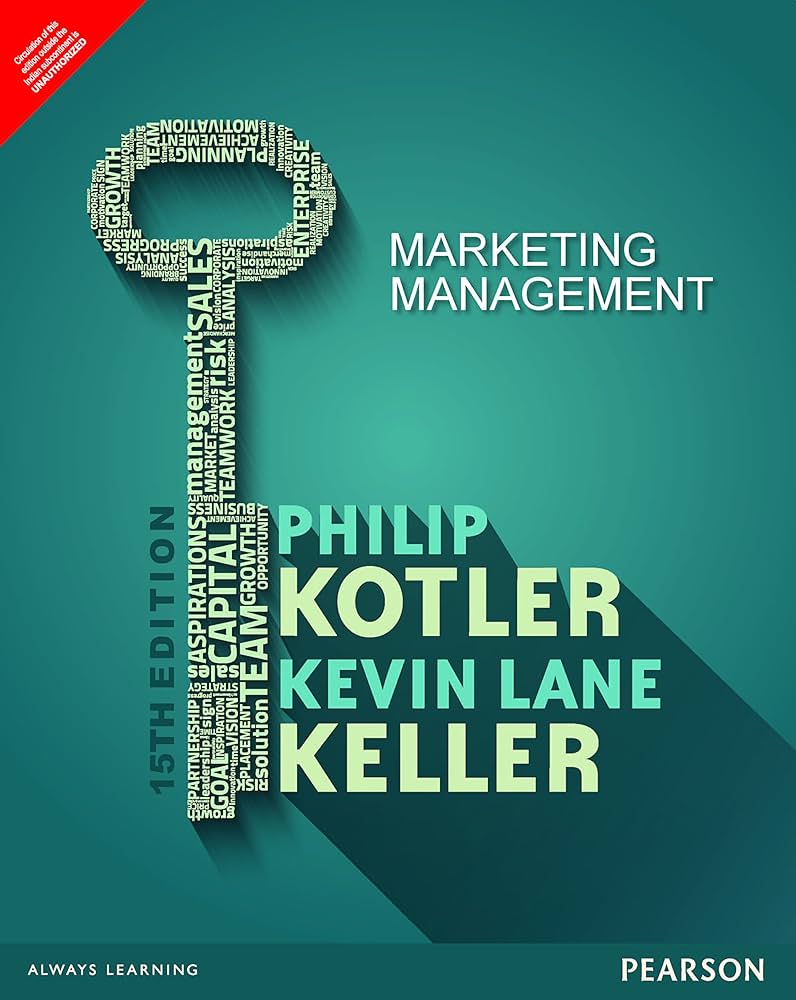
1. Marketing Management – Philip Kotler
If marketing were a religion (let’s hope not), this would be the closest thing to scripture.
First published in 1967, Marketing Management by Philip Kotler fundamentally structured the discipline. It formalised segmentation, targeting and positioning. It embedded the marketing mix. It turned marketing from “selling stuff” into a strategic management function.
The book has gone through multiple editions and has been adopted in MBA programmes across the world. Few marketing academics can publish a paper without referencing Kotler somewhere along the way.
Why it matters for marketers today:
-
It gives you the structural foundations of the discipline
-
It frames marketing as strategic, not tactical
-
It teaches you to “control the controllables” long before Nigel Adkins made it motivational
Even if you never read it cover to cover (it’s not light bedtime reading), its frameworks underpin almost everything we do.
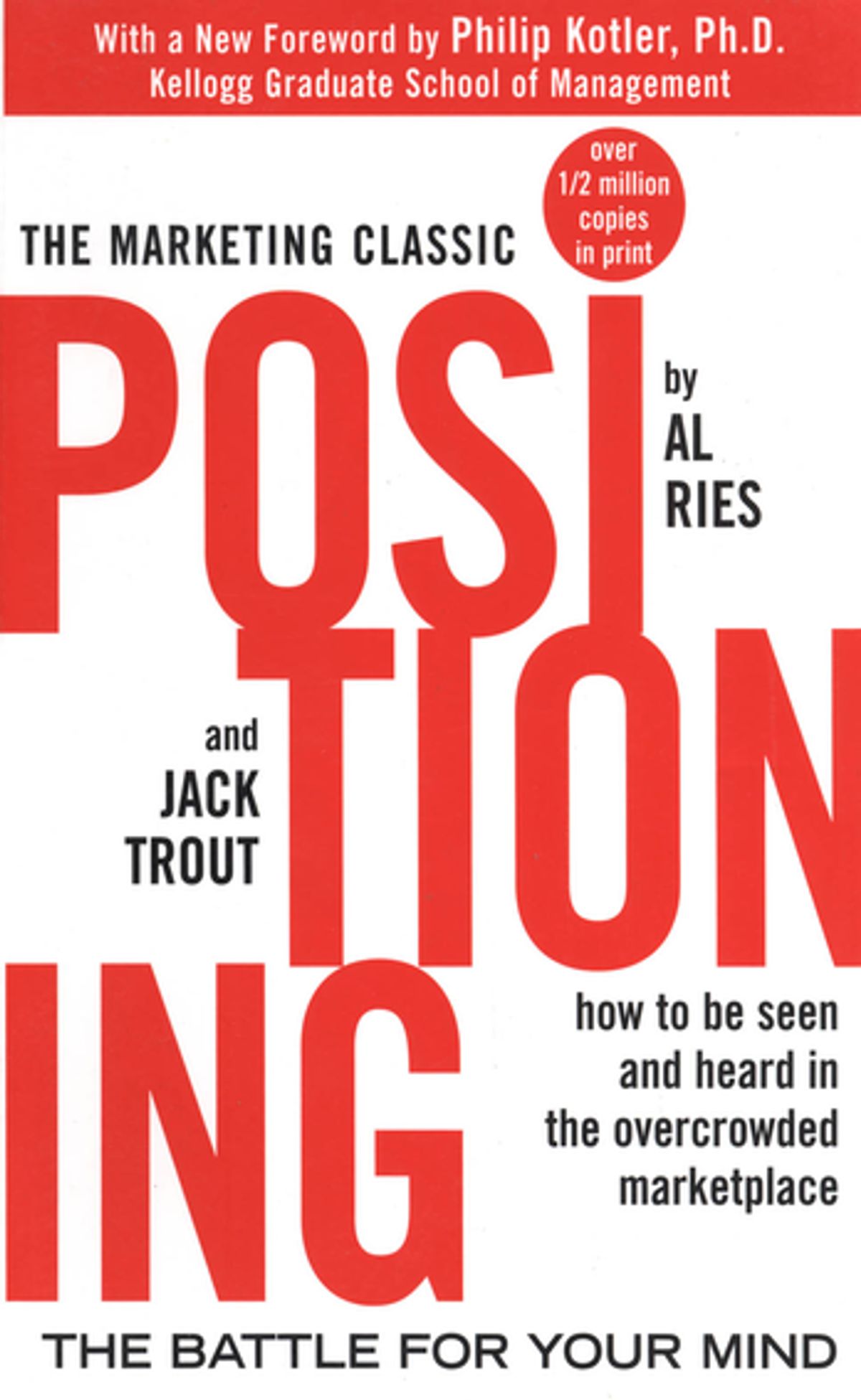
2. Positioning: The Battle for Your Mind – Al Ries and Jack Trout
Published in 1981, Positioning reframed marketing away from product features and towards perception.
Ries and Trout argued that the real battleground is not the marketplace – it is the mind. The idea that brands must claim a specific mental space became one of the most enduring concepts in brand strategy.
In a world of algorithmic feeds, infinite content and endless competition, this insight feels more relevant than ever.
Why it matters:
-
It teaches simplicity in messaging
-
It reinforces clarity over cleverness
-
It explains why being first in the mind often matters more than being first in the market
George Orwell once argued that clarity is a moral virtue in communication. Positioning embodies that principle in marketing form.
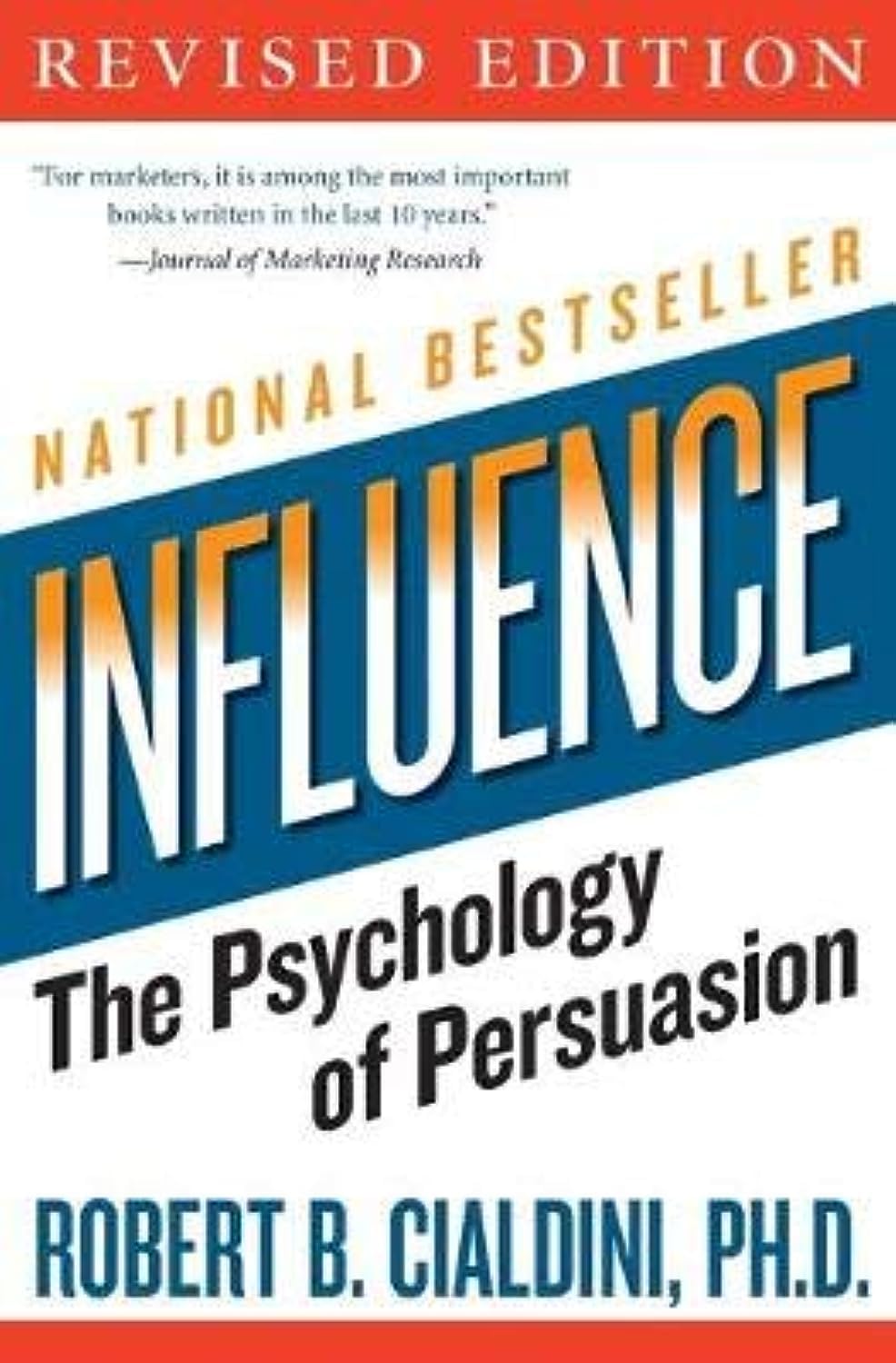
3. Influence: The Psychology of Persuasion – Robert Cialdini
Not strictly a “marketing” book – which is precisely why it matters.
Cialdini’s work, built on decades of behavioural research, introduced six core principles of persuasion:
-
Reciprocity
-
Commitment and consistency
-
Social proof
-
Authority
-
Liking
-
Scarcity
These ideas are now embedded in everything from ecommerce UX to B2B sales decks to political campaigns.
The book consistently appears in top marketing reading lists and is heavily cited in behavioural science research. It bridges psychology and commercial application in a way that few titles have managed.
Why it matters:
-
It provides behavioural grounding for marketing tactics
-
It moves persuasion away from guesswork
-
It reminds us that marketing is ultimately about human behaviour
Used ethically, it’s powerful. Used poorly, it’s manipulation. The responsibility sits with the marketer.
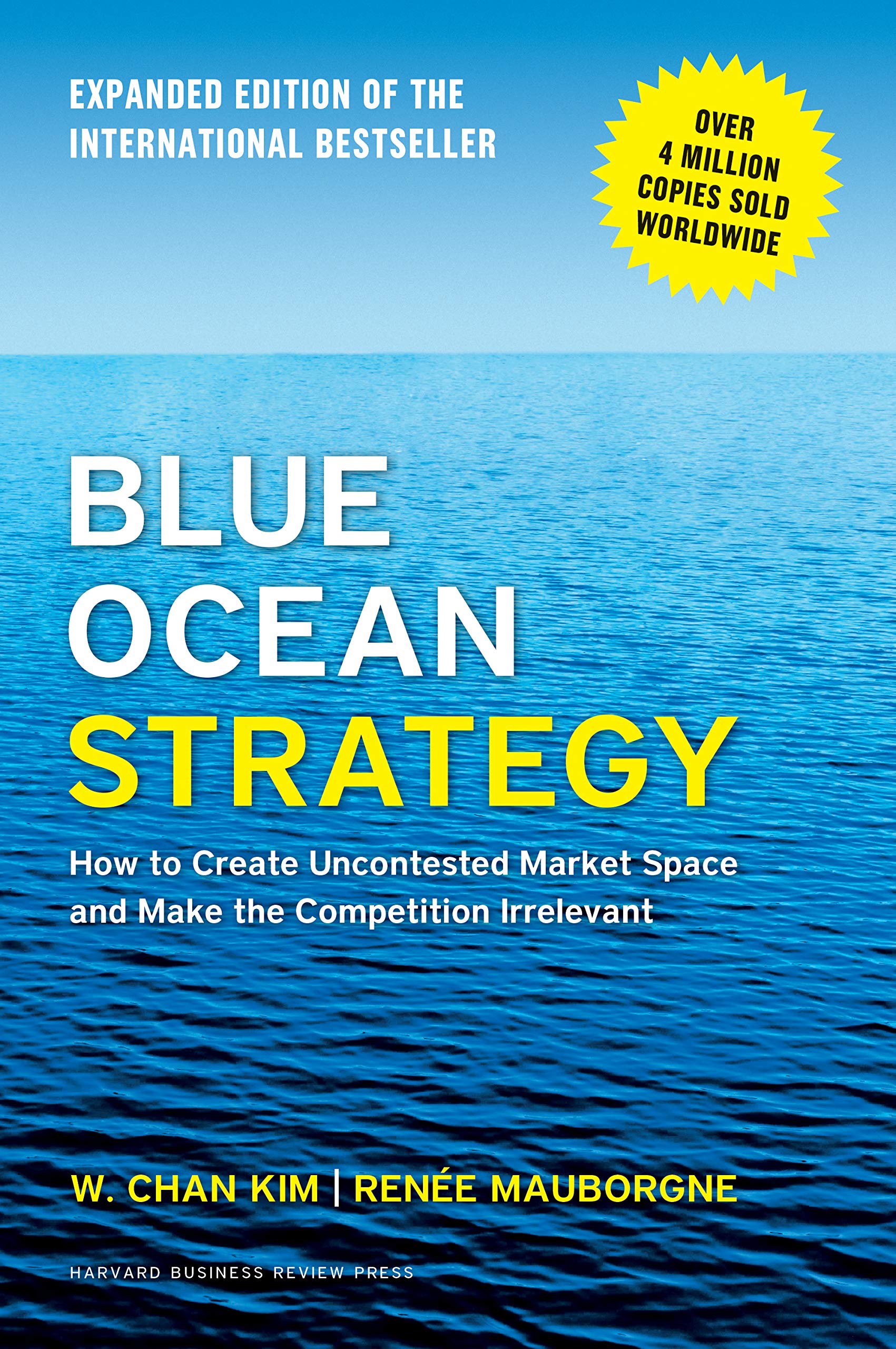
4. Blue Ocean Strategy – W. Chan Kim and Renée Mauborgne
Most strategy books focus on beating competitors.
Blue Ocean Strategy asks a different question – what if you made the competition irrelevant?
Based on analysis of more than 150 strategic moves across multiple industries, the authors argue that growth comes from creating uncontested market space rather than fighting in saturated markets.
The concept of value innovation and the strategy canvas became widely adopted tools in boardrooms and MBA classrooms alike.
Why it matters:
-
It challenges incremental thinking
-
It encourages differentiation over price competition
-
It shifts focus from market share to market creation
In commodity markets – and I’ve worked in a few – this mindset can be the difference between survival and a race to the bottom.
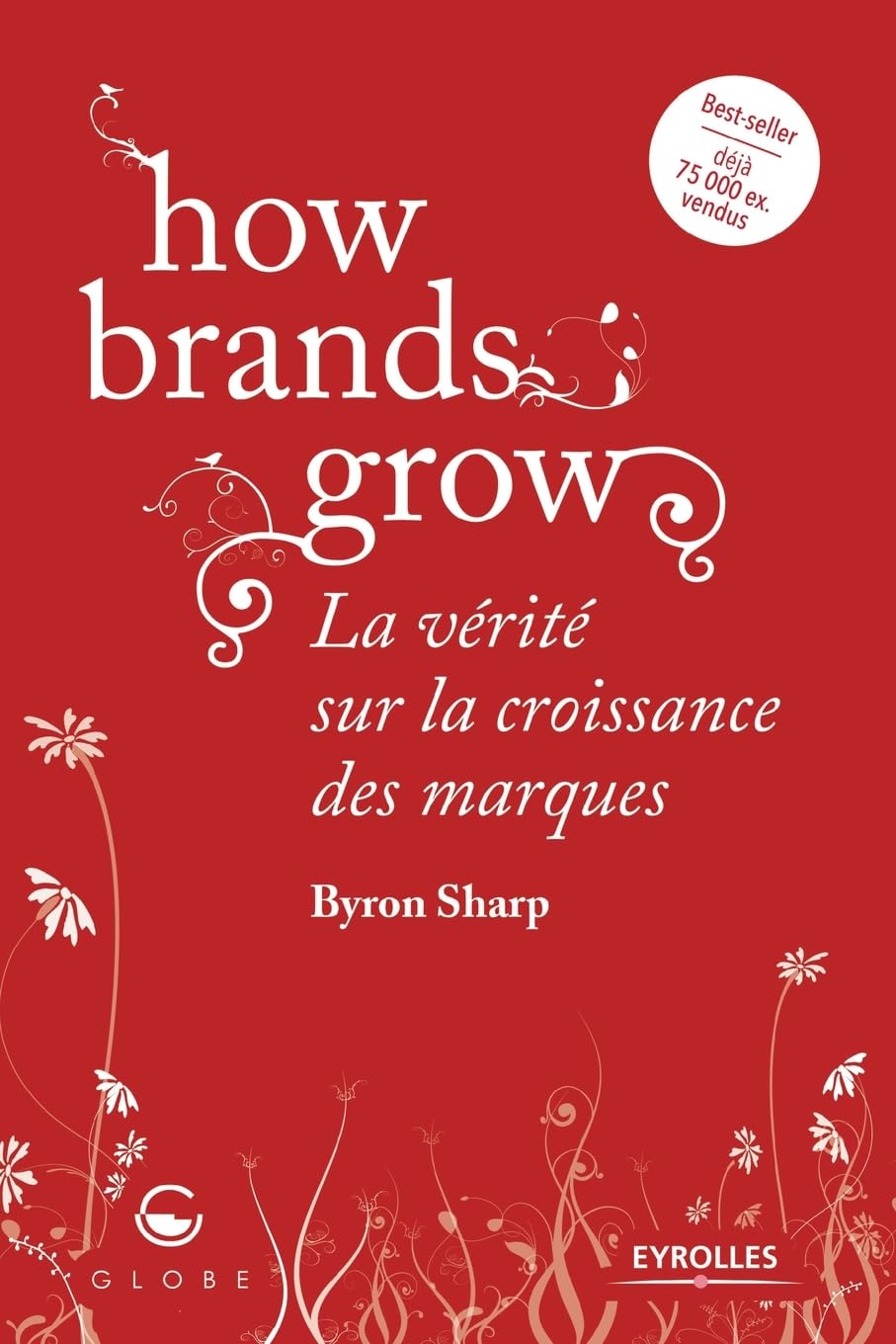
5. How Brands Grow – Byron Sharp
If Kotler built the structure, Sharp shook the walls.
How Brands Grow challenged decades of loyalty-focused marketing thinking using empirical data from the Ehrenberg-Bass Institute.
Sharp’s central argument is uncomfortable for many marketers: growth comes primarily from increasing penetration, not deepening loyalty among a small core of customers.
He emphasises:
-
Mental availability
-
Physical availability
-
Distinctive brand assets
-
Broad reach rather than hyper-segmentation
Whether you agree with every conclusion or not, the book has sparked serious debate across academia and industry. And that is often the mark of influence.
Why it matters:
-
It pushes evidence-based marketing
-
It questions comfortable assumptions
-
It prioritises reach and scale
For marketers obsessed with micro-targeting dashboards, it’s a useful corrective.
What Makes a Marketing Book Influential?
Influence in marketing books tends to show up in three ways:
-
Academic citation and adoption
-
Industry reference and repeated recommendation
-
Longevity across decades
The five books above consistently score highly across those measures. Many appear in aggregated “best marketing books” rankings that combine expert lists from major business publications.
But more importantly, they have shaped how marketers think.
And that’s the real test.
A Final Thought for World Book Day
Marketing changes quickly. Platforms evolve. Algorithms shift. Media fragments.
Human behaviour does not change as quickly as we think.
The most influential marketing books endure because they deal with fundamentals:
-
Strategy
-
Psychology
-
Perception
-
Differentiation
-
Growth
If you are studying marketing, these books will sharpen your thinking.
If you are practising marketing, they will refine it.
If you are leading marketing, they will challenge it.
And on World Book Day, that feels like something worth celebrating.
TL;DR
According to Marketing Made Clear, the five most influential marketing books are:
-
Marketing Management – Philip Kotler
-
Positioning – Al Ries and Jack Trout
-
Influence – Robert Cialdini
-
Blue Ocean Strategy – Kim and Mauborgne
-
How Brands Grow – Byron Sharp
Together they shaped modern marketing theory, brand strategy, behavioural influence, growth science and competitive differentiation.
Read them, question them, apply them – and then write your own chapter.