

Telemarketing Explained: An Honest Introduction for Modern Marketers
What telemarketing really is, why it still matters, and what brands like American Express, B2B SaaS firms, and charities have done right
Telemarketing is one of those marketing disciplines that most people think they understand – and many would happily banish to the same cupboard as unsolicited emails, autoplay videos, and printers that only jam when you’re in a hurry.
But like direct mail, outdoor advertising, or even TV, telemarketing isn’t inherently bad.
Bad telemarketing is bad.
Good telemarketing, done with purpose, targeting, and respect for the audience, can be remarkably effective.
For marketers coming into the profession today – particularly those raised on digital-first thinking – telemarketing can feel outdated, uncomfortable, or even ethically dubious. Yet it remains a multi-billion-pound industry and a critical growth lever in sectors like B2B, financial services, charities, and high-consideration purchases.
This article is a clear, practical introduction to telemarketing – what it is, how it works, where it fits in the modern marketing mix, and which brands have used it well to grow.
The Marketing Made Clear Podcast
Check out the Marketing Made Clear Podcast on all good streaming platforms including Spotify:
What is Telemarketing?
At its simplest, telemarketing is the use of telephone calls to communicate with potential or existing customers for commercial purposes.
That might include:
-
Generating new leads
-
Qualifying prospects
-
Selling products or services
-
Retaining customers
-
Upselling or cross-selling
-
Conducting research or feedback calls
-
Fundraising or donor engagement
It can be outbound (you call them) or inbound (they call you). It can be transactional or relationship-driven. And it can sit anywhere from top-of-funnel awareness through to post-purchase retention.
The mistake many marketers make is assuming telemarketing equals cold calling. In reality, cold calling is just one – and often the weakest – use case.

A Brief (and important) Distinction: B2C vs B2B Telemarketing
B2C telemarketing
This is the version most people dislike – unsolicited calls to consumers, often selling utilities, insurance, or services they didn’t ask for.
In the UK, this space is heavily regulated through:
-
PECR (Privacy and Electronic Communications Regulations)
-
The Telephone Preference Service (TPS)
-
GDPR and lawful basis requirements
Poorly executed B2C telemarketing has done long-term damage to the channel’s reputation. However, permission-based, customer-service-led telemarketing (for example, retention or account management) still performs well.
B2B telemarketing
B2B is where telemarketing really comes into its own.
Why?
-
Fewer decision-makers
-
Higher order values
-
Longer sales cycles
-
Greater need for qualification and human interaction
In B2B, telemarketing is often better described as inside sales, sales development, or lead qualification – but the phone remains central.

Where Telemarketing Fits in the Modern Marketing Funnel
Telemarketing works best when it’s integrated, not isolated.
Examples of effective roles include:
-
Following up inbound content leads (whitepapers, webinars, demos)
-
Qualifying marketing-qualified leads (MQLs) before sales handover
-
Reactivating dormant accounts
-
Supporting account-based marketing (ABM) programmes
-
Retaining or expanding existing customers
In other words, telemarketing is often the bridge between marketing and sales – the point where brand, messaging, and commercial reality meet.
When marketers and sales teams don’t align on this, telemarketing becomes a blunt instrument. When they do, it becomes a powerful one.

Brands That Have Used Telemarketing Well
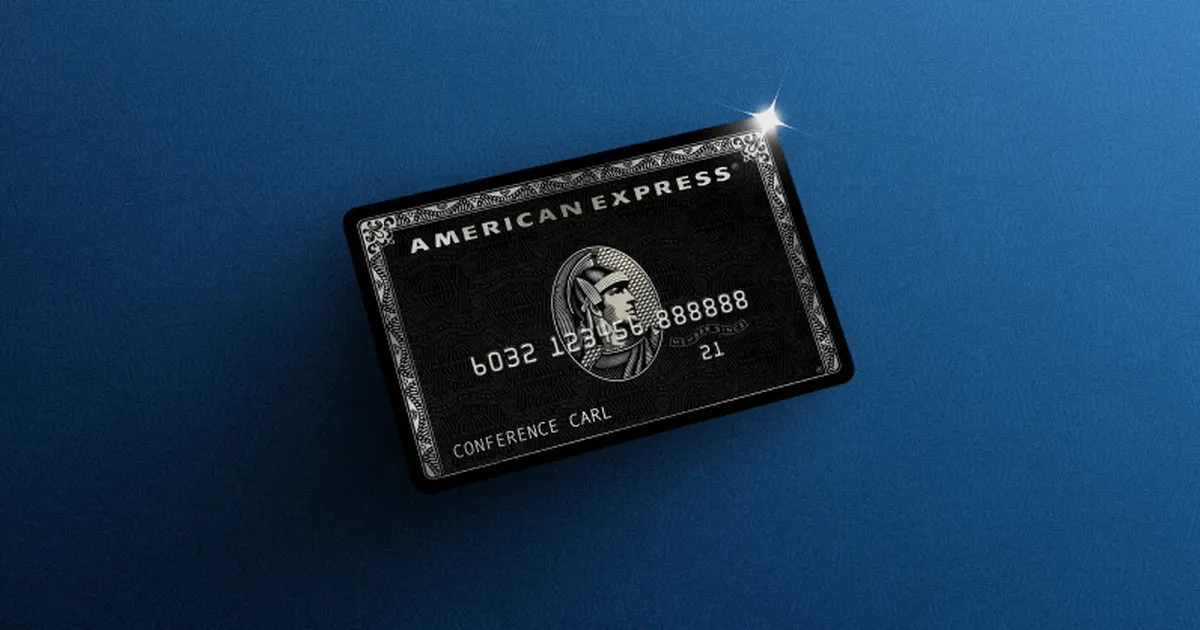
American Express
American Express has long used outbound calling as part of its customer lifecycle strategy, not just sales.
Rather than cold-selling, Amex calls have historically focused on:
-
Account reviews
-
Benefit education
-
Personalised upgrades based on spend behaviour
The calls feel consultative rather than transactional, reinforcing brand trust while driving revenue.
Marketing lesson: Telemarketing works best when it adds value, not pressure.
Salesforce (and the SaaS model more broadly)
Many B2B SaaS companies rely heavily on telemarketing via Sales Development Representatives (SDRs).
Salesforce, HubSpot, and similar platforms use phone calls to:
-
Qualify inbound demo requests
-
Understand business size, needs, and readiness
-
Route prospects to the right sales team
This reduces wasted sales time and improves close rates.
Marketing lesson: Telemarketing can protect brand experience by ensuring only the right leads reach sales.

Charities such as Oxfam and NSPCC
In the charity sector, telemarketing has been used extensively for donor retention and regular giving upgrades.
At its best, this involves:
-
Thanking donors
-
Explaining impact
-
Offering optional ways to increase support
When done transparently and respectfully, these calls can significantly increase lifetime donor value.
Marketing lesson: Emotional storytelling and trust matter more than scripts.

B2B Industrial and Professional Services Brands
Many engineering, logistics, software, and professional services firms quietly use telemarketing to grow pipeline.
These calls often look like:
-
“We work with companies like yours…”
-
“I’m calling to understand whether this is relevant…”
-
“Happy to leave it there if not.”
Low pressure, high relevance, and clear respect for time.
Marketing lesson: Relevance beats volume every time.
Why Telemarketing Still Works (when done properly)
Telemarketing survives because it does things digital channels can’t easily replicate:
-
Real-time two-way conversation
-
Objection handling
-
Nuance and empathy
-
Immediate qualification
In high-consideration or complex purchases, a phone call often shortens the sales cycle rather than lengthening it.
It also provides marketers with qualitative insight – the kind of insight you don’t get from dashboards alone.

Common Mistakes Marketers Make With Telemarketing
-
Treating it as a volume game
-
Using generic scripts disconnected from brand tone
-
Failing to integrate it with CRM and marketing automation
-
Measuring success purely on call numbers rather than outcomes
-
Ignoring compliance and consent
Perhaps the biggest mistake is seeing telemarketing as a necessary evil rather than a strategic tool.
Telemarketing in a Post-GDPR World
Regulation has forced better behaviour – which, in marketing terms, is usually a good thing.
Modern telemarketing should be:
-
Permission-based where possible
-
Transparent about intent
-
Respectful of time and data
-
Properly documented within CRM systems
This aligns neatly with broader shifts towards ethical, customer-centric marketing.
Final Thought: Telemarketing is Not Dead – Lazy Telemarketing Is
For marketers, the question isn’t “Should we use telemarketing?” but:
-
What role should it play in our funnel?
-
Who is it really for?
-
What value does the call create for the person receiving it?
Used poorly, telemarketing damages brands. Used well, it strengthens relationships, accelerates growth, and provides insight that no dashboard ever will.
Like most marketing tools, it reflects the thinking behind it.
TL;DR
-
Telemarketing is broader than cold calling and still plays a key role in B2B, services, and high-consideration markets
-
It works best when integrated with digital marketing, CRM, and sales
-
Brands like American Express, Salesforce, and charities have used it effectively by focusing on value, relevance, and trust
-
Poor telemarketing is a strategy problem, not a channel problem
-
For modern marketers, telemarketing is best seen as a conversation tool, not a sales hammer