

Sam Allardyce and His Management Style
What Marketers Can Learn From Football’s Most Pragmatic Operator
Sam Allardyce has spent most of his managerial career being underestimated.
He has never been fashionable. He has never been associated with “beautiful football”. And yet, for over two decades, he has repeatedly walked into organisations in crisis and delivered results where others failed.
From Bolton Wanderers to West Ham, Sunderland to Everton, and his brief but statistically perfect spell as England manager, Allardyce has built a reputation as football’s ultimate problem-solver.
For marketers, his career offers something far more useful than lofty brand vision slides or purpose-led manifestos – it offers a masterclass in outcomes, pragmatism and operating in the real world.
Let’s take a closer look at Big Sam’s management style and what marketers can learn from it.
The Marketing Made Clear Podcast
This article features content from the Marketing Made Clear Podcast – check it out on all good platforms.
Sam Allardyce in Context
Allardyce rose to prominence at Bolton Wanderers in the early 2000s, taking a small club with limited resources and turning it into a Premier League mainstay that regularly qualified for European competition.
His approach was data-driven before “data-driven” became a LinkedIn cliché.
He embraced sports science, marginal gains, opposition analysis and recruitment analytics long before many of his peers. While others talked about philosophy, Allardyce talked about probability.
He has since become football’s go-to turnaround specialist, parachuted into struggling clubs with one clear objective – survival.
That clarity matters.
Obsession With Outcomes, Not Aesthetics
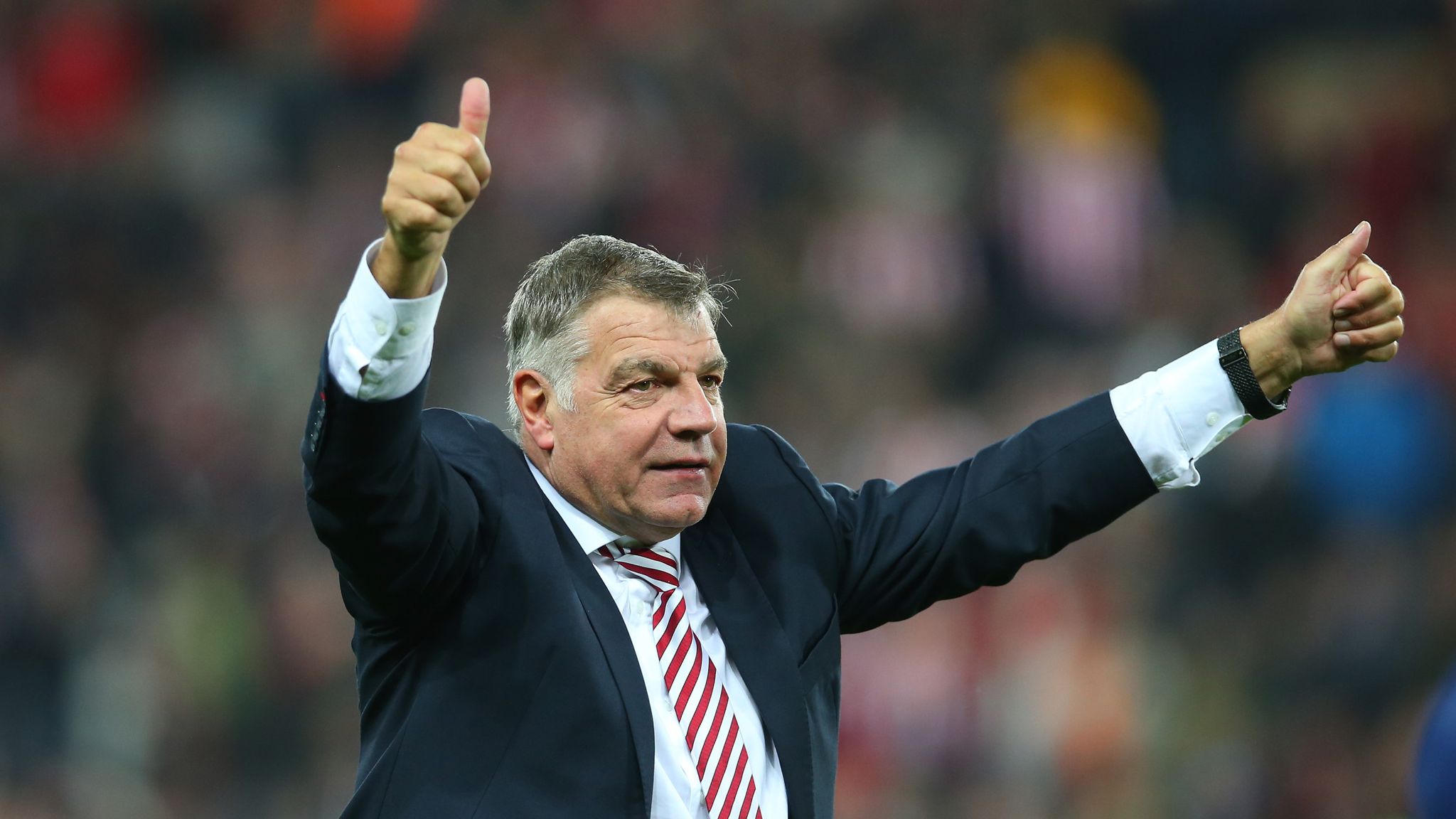
Allardyce has never pretended to care about style points. His teams exist to win matches, not to win plaudits.
This single-minded focus on outcomes is one of the most valuable lessons for marketers.
In marketing terms:
-
He prioritises results over reputation
-
He measures success by league position, not vibes
-
He ignores noise if it does not affect the scoreboard
Marketers often fall into the trap of optimising for:
-
Awards
-
Internal approval
-
Cleverness
-
Trend alignment
Allardyce optimises for:
-
Staying up
-
Points on the board
-
Tangible progress
Marketing lesson:
If your campaign looks great but doesn’t shift demand, retention or revenue, it is not a success. Results matter more than how it makes other marketers feel.
Radical Pragmatism Under Pressure
Allardyce’s most consistent strength is his ability to operate under extreme pressure.
Relegation battles are brutal environments:
-
Limited time
-
Low morale
-
Poor prior decisions
-
Angry stakeholders
-
Media scrutiny
Sound familiar?
Many marketers work in similar conditions – declining performance, shrinking budgets, impatient leadership and legacy problems they did not create.
Allardyce does not attempt wholesale cultural reinvention in these moments. He focuses on:
-
Stabilising the system
-
Removing unnecessary risk
-
Simplifying decision-making
-
Doing what works now, not what looks ideal later
Marketing lesson:
When the business is under pressure, elegance can wait. Clarity, speed and risk reduction come first.
Data-Led, Not Data-Drowned
Long before “Moneyball” became a buzzword, Allardyce was using performance data to:
-
Identify undervalued players
-
Analyse opposition weaknesses
-
Optimise set-pieces and fitness
-
Reduce injury risk
Crucially, he used data to support decisions, not replace them.
Modern marketers often struggle with this balance. Dashboards multiply. Attribution models become opaque. Insight teams generate endless reports that nobody acts on.
Allardyce’s approach is refreshingly simple:
-
What increases our probability of success?
-
What reduces our probability of failure?
Marketing lesson:
Data should sharpen decisions, not paralyse them. If insight does not lead to action, it is noise.
Knowing Exactly Who You Are (and Who You Are Not)
Allardyce has always been comfortable with his identity.
He has never pretended to be Pep Guardiola. He has never chased tiki-taka. He has never rebranded himself for approval.
Instead, he has doubled down on:
-
Physicality
-
Structure
-
Set-pieces
-
Organisation
-
Psychological resilience
In branding terms, this is positioning discipline.
Many brands fail because they try to:
-
Be everything to everyone
-
Mimic category leaders
-
Chase trends that do not fit their DNA
Allardyce knows his strengths and builds systems around them.
Marketing lesson:
Strong positioning is as much about what you refuse to be as what you choose to be.
Managing Stakeholders as Much as Teams
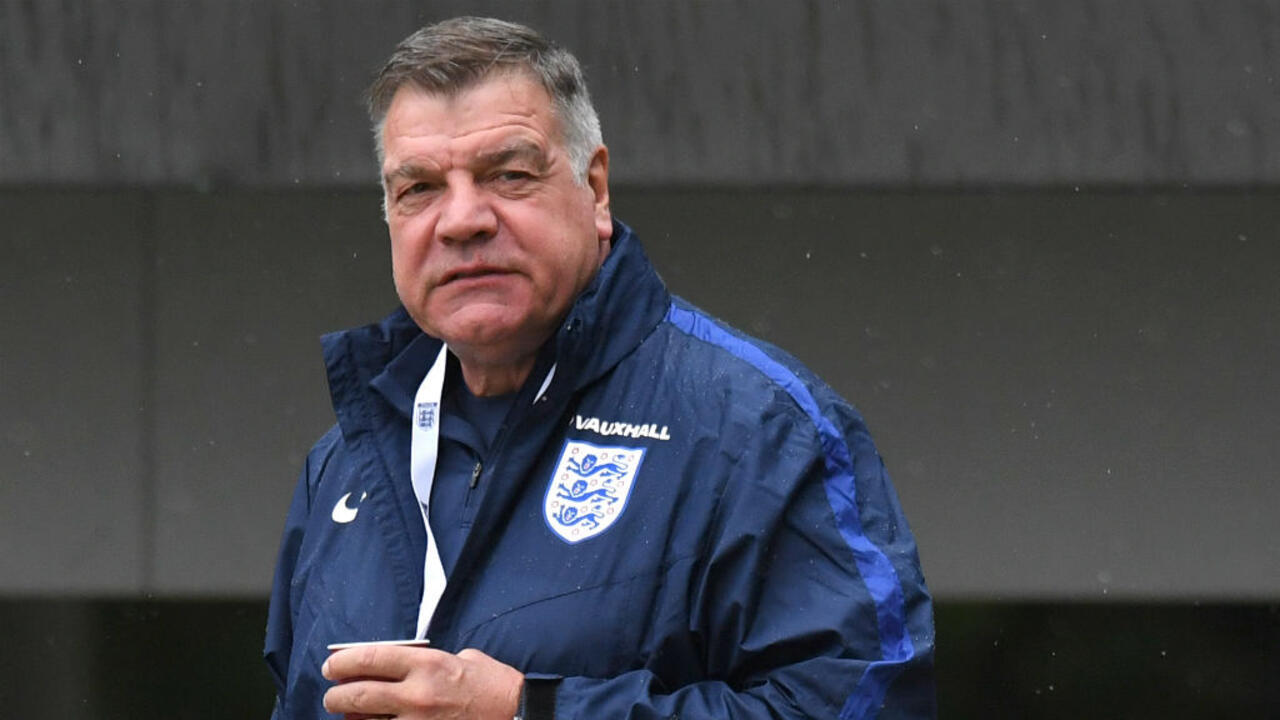
Allardyce’s job has rarely been just about players. He manages:
-
Boards
-
Owners
-
Fans
-
Media
-
Dressing rooms full of fragile confidence
He communicates with brutal honesty. He sets expectations early. He is clear about constraints. He rarely overpromises.
This is something marketers often underestimate.
Marketing is not just about customers. It is about:
-
Senior leadership buy-in
-
Cross-functional alignment
-
Budget justification
-
Managing perception internally
Marketing lesson:
Half of marketing leadership is managing up, sideways and around – not just outwards.

Short-term Survival Versus Long-Term Vision
One of the common criticisms of Allardyce is that he is not a “long-term builder”.
That could be true. But it misses the point.
He is hired to solve specific problems, not to create dynasties. His value lies in knowing the objective and executing ruthlessly against it.
Marketers face similar tensions:
-
Brand building versus performance
-
Short-term revenue versus long-term equity
-
Transformation versus stability
Allardyce teaches us that context dictates strategy.
Marketing lesson:
There is no single “right” marketing approach. The right approach depends on the business situation you are in.
Comfort With Being Unpopular
Perhaps the most uncomfortable lesson.
Allardyce has spent years being mocked by pundits, fans and football romantics. He has rarely tried to win them over.
Instead, he has focused on:
-
Keeping his job
-
Keeping clubs afloat
-
Delivering what he was hired to deliver
Marketers often crave validation:
-
Awards
-
Likes
-
Industry praise
-
External recognition
But effectiveness and popularity are not the same thing.
Marketing lesson:
If your work delivers results, you do not need universal approval. Effectiveness is quieter than ego.
Why Marketers Should Pay Attention to Big Sam
Sam Allardyce represents a side of leadership that marketing sometimes forgets:
-
Unsexy
-
Unromantic
-
Relentlessly practical
He reminds us that:
-
Strategy exists to serve outcomes
-
Data is a tool, not a personality
-
Identity beats imitation
-
Survival is sometimes the win
In a world obsessed with innovation theatre and marketing aesthetics, Allardyce stands as a reminder that boring, well-executed fundamentals still work.
And sometimes, staying up is the most impressive achievement of all.
TL;DR
-
Sam Allardyce’s management style is outcome-focused, pragmatic and data-informed
-
He prioritises results over aesthetics and survival over style
-
Marketers can learn the value of clarity, positioning discipline and context-driven strategy
-
Data should inform action, not overwhelm decision-making
-
Effectiveness often matters more than popularity or industry praise